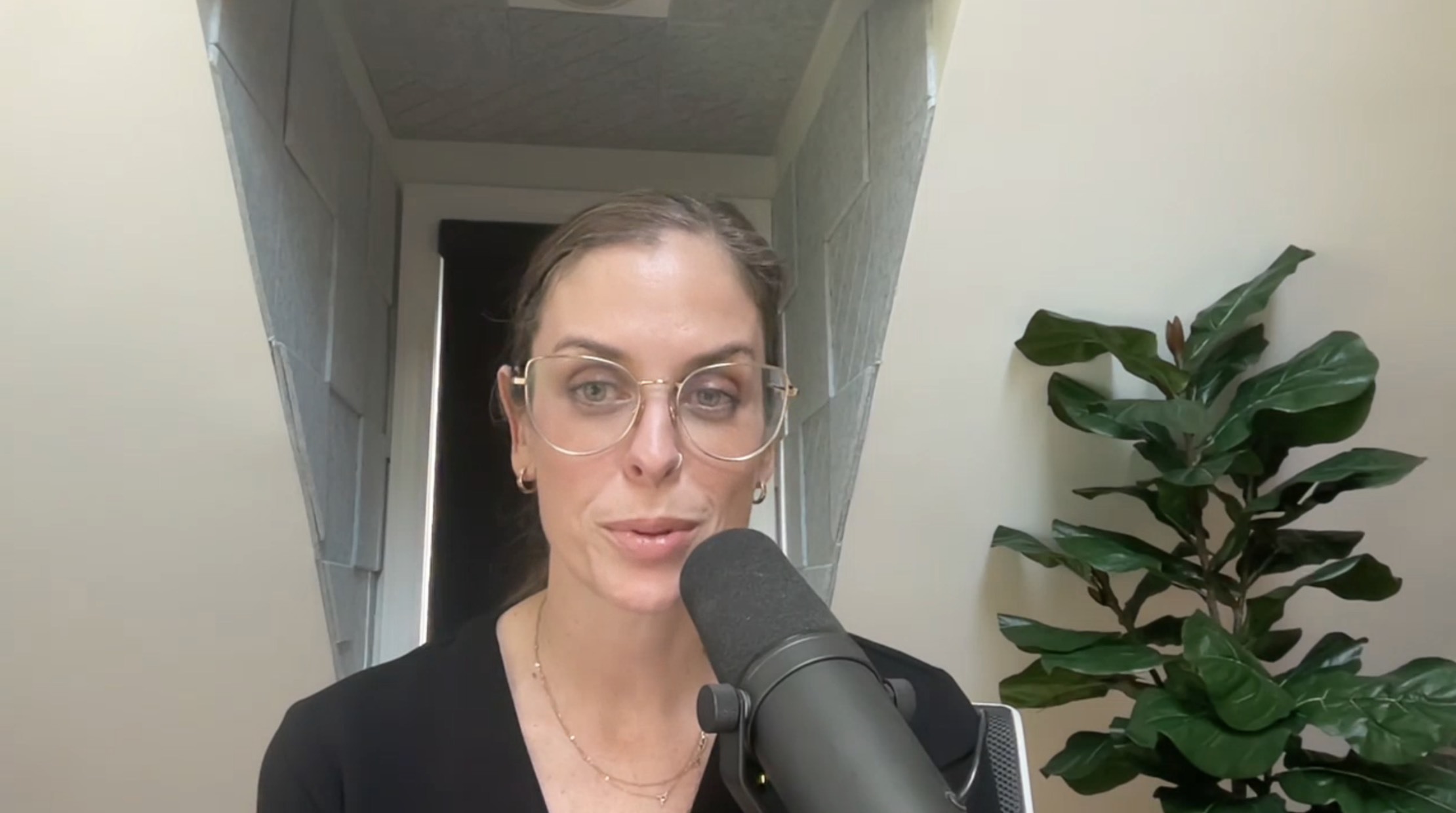
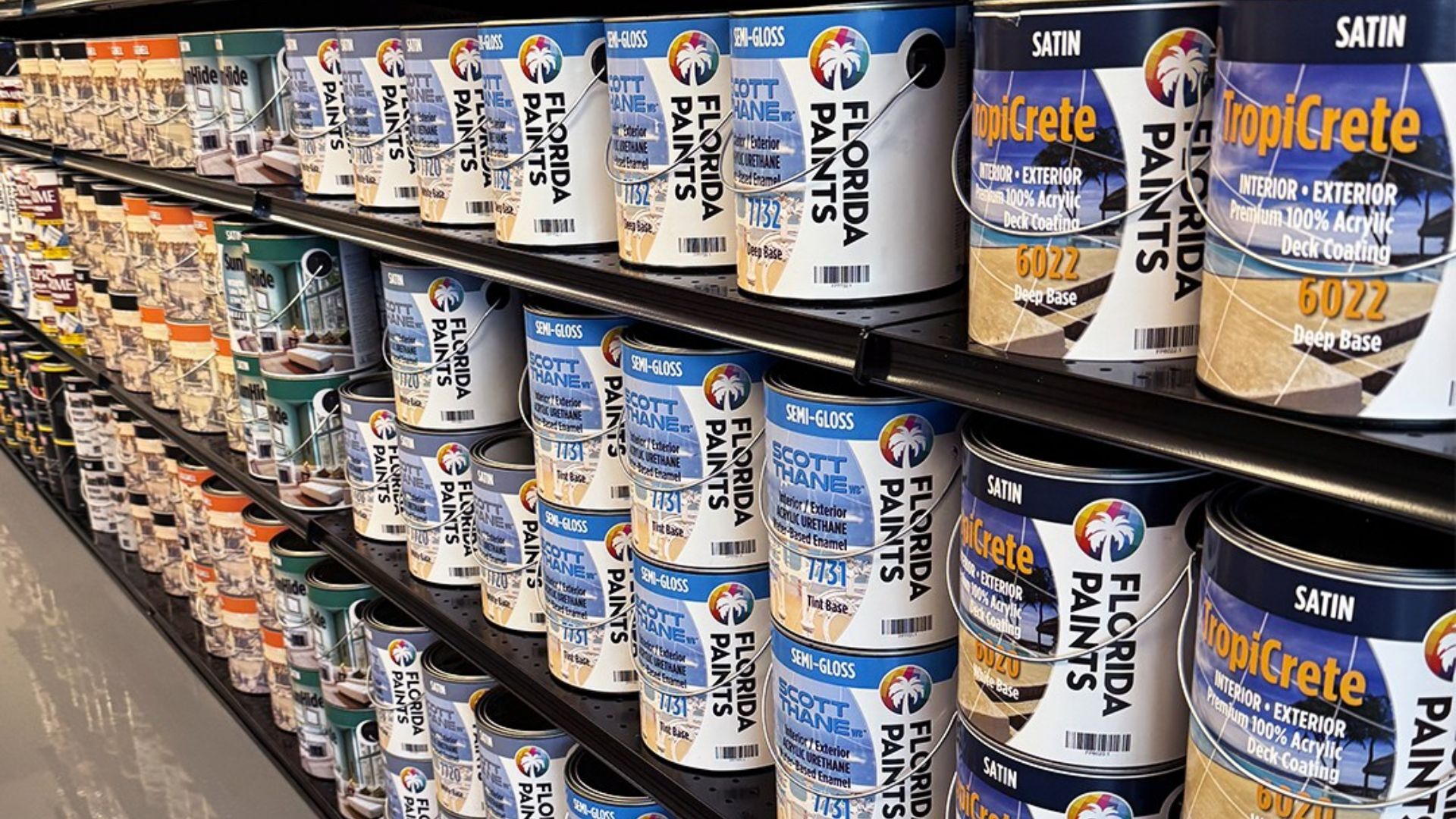
Florida Paints has been around for decades, competing in a category where brand loyalty, regional trust, and contractor relationships matter just as much as price. But proving the impact of marketing in that environment isn’t simple. In this episode of Smarter Building Materials Marketing, Beth sits down with Santiago Quintero, Director of Marketing at Florida Paints, to talk about how the company approaches measurement, alignment, and accountability in a traditionally hard-to-track industry. Santiago shares how Florida Paints connects marketing activity to real business outcomes, why internal trust matters as much as dashboards, and what it takes to earn buy-in from sales and leadership.
episode 285
How Florida Paints Proves Marketing ROI
Episode Rundown
[00:01:30] Santiago’s background and how he came into the building materials industry
[00:05:10] Why proving marketing ROI is especially difficult in paint and coatings
[00:09:45] How Florida Paints aligns marketing with sales and operations
[00:14:20] The role of data, reporting, and realistic expectations
[00:19:05] Balancing brand building with short-term performance
[00:23:40] What other manufacturers get wrong about marketing measurement
Marketing in a Relationship-Driven Category
Paint is not a transactional product. For Florida Paints, success depends heavily on long-standing relationships with contractors, dealers, and regional partners. According to Santiago, that reality changes how marketing works and how it should be evaluated.
Rather than focusing solely on digital attribution models, the team looks at how marketing supports sales conversations, reinforces brand credibility, and helps the field team win trust. Campaigns are designed to complement boots-on-the-ground efforts, not replace them.
This mindset also shapes expectations internally. Marketing is not treated as a lead vending machine, but as a growth lever that works best when paired with strong execution across the organization.
Aligning Sales, Marketing, and Leadership
One of the biggest themes from the conversation is alignment. Santiago explains that proving ROI starts long before reporting dashboards or campaign launches. It starts with shared definitions of success.
At Florida Paints, marketing works closely with sales leadership to understand priorities, timelines, and challenges in the field. That collaboration helps ensure campaigns are relevant and measurable in ways the sales team actually values.
This alignment also builds credibility. When marketing speaks the same language as sales and operations, it becomes easier to have productive conversations about performance, investment, and long-term strategy.
Measuring What Actually Matters
Santiago is candid about the limits of measurement in building materials. Not everything can be tracked perfectly, and chasing false precision can be counterproductive.
Instead of relying on a single metric, Florida Paints looks at a combination of indicators: brand awareness in key markets, engagement with dealers and contractors, sales trends, and qualitative feedback from the field. Over time, patterns emerge that help the team understand what is working and where adjustments are needed.
The goal is not perfect attribution, but informed decision-making.
Brand Building and Performance Are Not Opposites
Another insight from the episode is the importance of balance. Short-term performance campaigns can drive immediate results, but they work best when supported by a strong, consistent brand.
Florida Paints invests in brand clarity and consistency so that when customers encounter the company through advertising, sales reps, or in-store experiences, the message feels cohesive. That consistency makes performance efforts more effective and helps marketing compound over time.
Lessons for Other Manufacturers
Santiago’s advice for other building materials marketers is straightforward:
Start with alignment. Be realistic about measurement. Build trust internally before chasing complex attribution models.
Most importantly, marketing should support how the business actually operates, not how dashboards say it should. In relationship-driven industries like paint, ROI is often proven through consistency, collaboration, and long-term results rather than isolated metrics.
How to Get in Touch with Santiago
You can connect with Santiago Quintero on LinkedIn or learn more about Florida Paints through the company’s regional locations and dealer network.
More About the Smarter Building Materials Marketing Podcast
The Smarter Building Materials Marketing podcast helps sales and marketing professionals find better ways to grow leads, sales and outperform the competition. It gives insights, examples and shares stories about how to create a results-driven digital marketing strategy for building products and construction companies of any size. SBMM is co-hosted by Venveo’s Founder, Zach Williams and Venveo’s CEO, Beth PopNikolov.
Thanks for tuning in! If you enjoyed this episode and want to catch future insights, be sure to like and subscribe to the Smarter Building Materials Marketing podcast wherever you listen. Got questions or suggestions about today’s episode? Drop us a line at podcast@venveo.com
—we’d love to hear from you!