Loading preview...

Start a project
Reach out to us for any inquiries or support.

Contact
We’re here to help you with all your needs.

Call Us
Get in touch with our team anytime.
How We Help
Why Venveo
Resources
Get weekly data — and insights.


Venveo is an award-winning digital marketing solutions provider. Since 2003.
©2026 Venveo
The question of when tangible results will be seen from B2B marketing is a common concern for companies in the building materials industry.
Ultimately, how long it takes to see results will depend on the type of campaign, the platforms you’re using, the audience you’re targeting and the marketing efforts you’ve engaged in (or haven’t engaged in) in the past.
As with any business or marketing plan, setting realistic expectations is crucial when attempting to measure the success of your B2B marketing campaigns.
According to Salesforce, the average B2B sales cycle is three to six months, depending on factors like product complexity and market competition.
Building materials sales cycles involve complex and technical specifications, multiple decision-makers, building codes and government regulations. As a result of this, B2B marketing needs to be considered a long-term strategy.
Results will not happen overnight, and involve extensive planning, so it’s vital to set realistic expectations when you begin your marketing strategies. One of the first steps in your marketing efforts should be understanding your target audience.
The basis of any effective marketing strategy is content that speaks directly to your target audience. For building material manufacturers this means focusing on general contractors, builders, interior designers and similar positions, depending on the niche.
The key to your marketing content should be breaking your product features down into benefits that will address the pain points your potential customers are dealing with.
Your customers will be at different stages of the sales funnel (awareness, interest, consideration, intent and evaluation). Creating different, high-quality content and long-term marketing campaigns focusing on each stage will improve your chance of closing sales.
The quality of your marketing efforts will directly impact the time it takes to see results. Again, it will not happen overnight, but with patience and persistence, results will come. Taking shortcuts often leads to longer delays in achieving the success you want.

There are three main tasks to focus on in the early stages of your marketing:
You could have the best product in the world, but if your audience can’t find you online, you can’t convert them into customers. In an increasingly digital world, optimization is crucial to driving the right traffic to your website. Your online presence can become a 24/7 salesperson that is scalable and measurable.
Nowadays, most people start their search for anything on Google, making search engine optimization (SEO) a huge priority. SEO is a set of tactics and strategies aimed at increasing your website's visibility within online search engines like Google, Bing and anywhere else potential customers search for products.
According to Moz, SEO improvements can lead to an average increase in organic search traffic by 30% over six months. Take a look at your website’s current performance using tools like Google Analytics. Figure out what pages bring you the most traffic with the best return.
Create content for your website that features specific keywords and SEO strategies to help your website pages rank for relevant search terms. Google ranks based on three criteria — relevance, authority and quality. Ask yourself these questions when creating targeted content:
Google constantly "crawls” websites to form an algorithm that feeds its users relevant, authoritative, high-quality content. Make sure your content is all three.
Once customers discover you, the next step is to build trust. Website content creation is a great way to do that. It can help you gain credibility and educate your target audience. Your website should explain how your product or service will eliminate their pain points and why they should become customers.
You build trust by answering their burning questions, solving their biggest problems, and delivering helpful, easily digestible content. This is primarily done by creating valuable content on your website, such as case studies, how-to videos, white papers and any other resources that help them without pushing your product.
Your online presence also extends to your social media and how you engage with your audience. Social media shouldn’t be used only to push products. It’s another place to promote relevant and valuable content to stakeholders in the industry. This includes educational pieces, articles, videos and thought leadership.
Your social media channels are a great way to organically move prospects and leads through the sales funnel. It’s a natural way to nurture and build rapport with potential customers, making it easier for them to commit when your sales team reaches out to them to purchase.
There are many lead-generation tactics you can deploy to differentiate yourself and connect with the right prospects.
Inbound marketing, partner websites, print channels and social media sharing can bring in leads. Examples include blog posts, infographics, eBooks, white papers, case studies, LinkedIn posts, brochures, spec sheets and email newsletters.
B2B companies that post on LinkedIn at least once a month gain followers six times faster than those that don't. Remember, it takes time to create valuable content. According to Orbit Media, creating a high-quality blog post takes approximately three to four hours. But it’s worth it. According to LinkedIn, brands that blog generate 67% more leads.
Use your content to prioritize the end-use cases and the results your target customers are trying to achieve. Include educational tips and industry-specific insights. You want to focus on creating content that will provide value to leads who will read it.
According to Hubspot, inbound marketing can deliver 54% more leads into the marketing funnel compared to traditional outbound methods. The Content Marketing Institute agreed, showing that content marketing generates approximately three times as many leads per dollar spent compared to traditional marketing.
Another strategy is PPC (Pay-Per-Click) advertising. This promotion is great for building materials marketers trying to target a niche or hard-to-reach audience, such as wholesale buyers. You can run a PPC campaign across search engine results pages or on specific websites, like LinkedIn.
Video should also be implemented into your strategy. Product demos, customer testimonials, how-to videos and countless other forms of video content can be used to market your company and generate leads.
Prospects also love interactive forms of content. Calculators, quizzes and configurators can help you engage prospects during the consideration and decision phases. If the tool is innovative enough, other industry sites could link to it, spreading your brand even further. It can be used across multiple pieces of owned content as well, from blogs to social media posts.
More traditional lead generation tactics are webinar hosting, referral programs and trade shows.
There are countless ways to generate new leads; you just have to start. Once you have your lead generation strategies, you can introduce conversion rate optimization.
Conversion rate optimization (CRO) is a strategy focused on increasing the number of people who perform the desired action. For instance, CRO for your email campaigns could mean split testing subject lines until you get the highest open rate for purchase quotes.
CRO can also be used for your landing pages to experiment with new headings, copy, CTAs (Call to Action), images, colors and more to get the highest conversion rate. CRO is costly, so you need to determine whether it’s the right strategy for you. Venveo built an entire Conversion Rate Optimization Guide for that purpose.
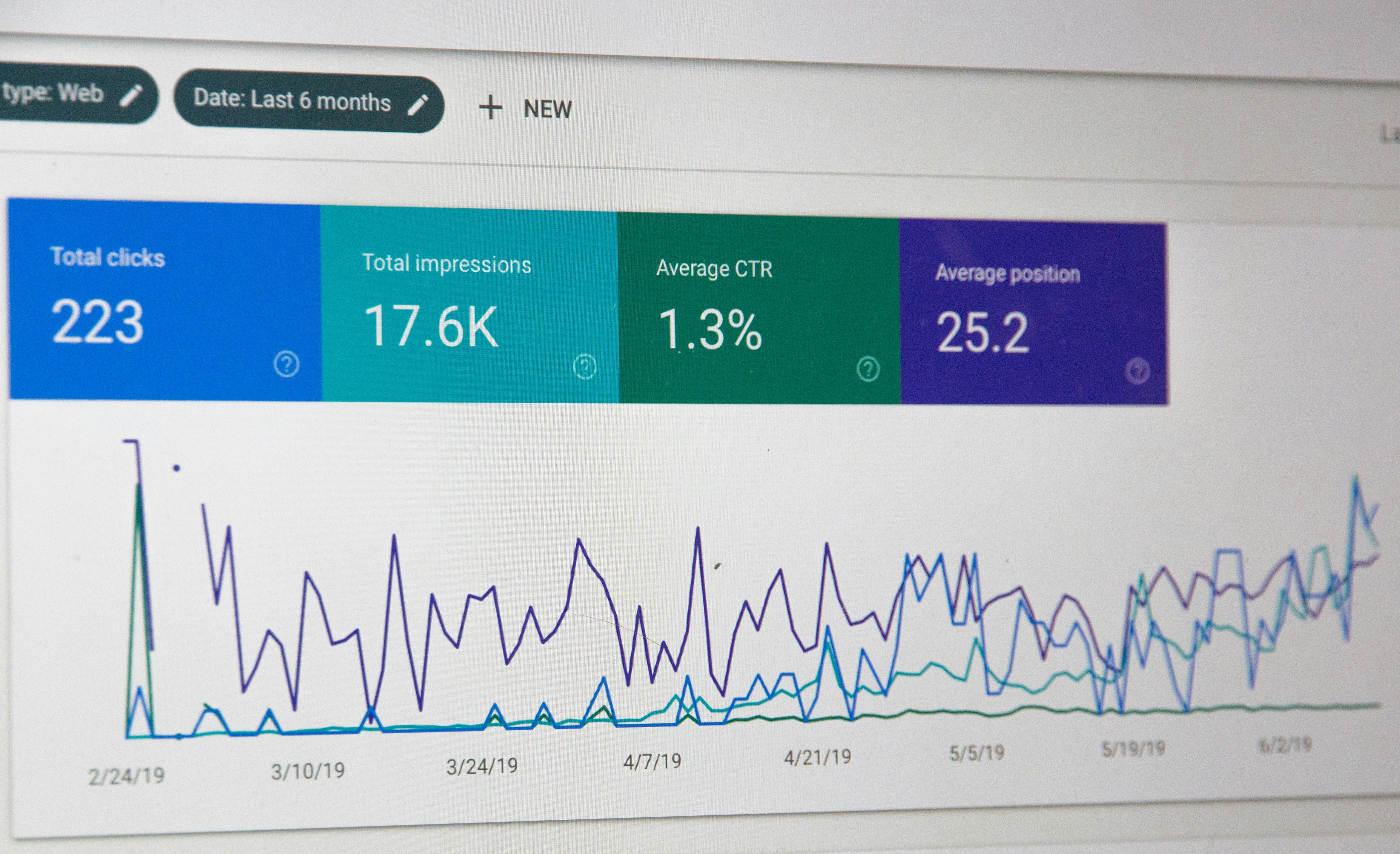
Google Analytics is a marketer's go-to analytic platform for tracking metrics. Other options include Clicky, Mint, KISSmetrics, Visual Website Optimizer, ChartBeat, Hubspot, Webtrends and StatCounter. They range in price and metrics, but all offer value in ensuring your marketing efforts are working.

Once you have solid leads, it’s time to nurture them and start building relationships. You can achieve this through email marketing campaigns, personalization and segmentation. Once you have strategies, you can measure and refine them through key performance indicators (KPIs), A/B testing and optimization.
Provide email sign-ups on your website. Also create locked content for high-value pieces with an email opt-in to gain email marketing lead generation (also known as a lead magnet).
Whether you’re collecting prospects’ email addresses using lead magnets, getting them on your list via cold outreach or marketing to your past buyers, there is power in email.
Consistently sending emails to your segmented lists weekly, bi-weekly or monthly ensures your business stays top of mind. Email marketing is a great tool for nurturing leads and providing education. You can create different types of email campaigns, such as newsletters, automated follow-up campaigns and more to engage and inform your audience.
Newsletters are a great way to provide value. When creating newsletters, do three things:
Automated follow-up campaigns are a triggered series of emails for people who have engaged with your content or website in some way (examples include downloading an eBook or requesting a sample).
The goal of an automated follow-up campaign is to get the lead to take the next step in the buyer journey or the sales funnel and, ultimately, buy your product.
Whatever email marketing strategy you deploy, pay attention to your three big metrics: open rate, click-through rate and unsubscribe rate.
A quick benchmark for the building materials industry is that your open rate should be between 15% and 25%, and your click-through rate should be between 10% and 15%. If you're within these ranges, you should feel good about your content.
Tracking and interpreting customer data allows you to present the right product to the right audience, especially when you serve more than one demographic.
Personalizing messages might be easy for one of your salespeople to do with a handful of leads, but it is practically impossible to do it regularly for the thousands of contacts who visit your site.
Personalization can be achieved by segmenting your audience. If you have a CRM (Customer Relationship Management) platform, you can do list segmenting. List segmenting categorizes your contact lists into groups based on specific behaviors. Behaviors can include the forms they've filled out, the number of times they've visited your website or the number of emails they've opened from you.
You can also segment your list based on how much a customer might spend, where they live or even what they do for a living. That means you can send distributors one type of email, retailers a different email and builders another. All it requires is a quick filter of your list.
Once you have your prospects segmented, you can tailor and personalize messages to them. By customizing your communication based on a lead’s past interactions, you demonstrate that you care about their needs. When consumers feel supported, they are more motivated to purchase. It’s a win-win for everyone involved.
Great marketing strategies are guided by key performance indicators (KPIs). These KPIs should be specific to your organization, measurable, long-term and aligned with your organization’s vision of success.
KPIs should be measured monthly using data from your CRM, site analytics, ad campaigns, social media accounts and other similar sources of data you use. Your goals will guide your KPIs.
If your goal is awareness, consider tracking:
If your goal is engagement, consider tracking:
If your goal is more action or leads, consider tracking:
If customer retention is your goal, consider tracking:
Everyone’s KPIs will differ, so prioritize the ones that make the most sense for your business objectives.
A/B testing involves creating two versions of the same thing that are nearly identical except for one specific element that varies. This variation helps identify what catches the attention of your target audience.
For example, you could test the subject line on a newsletter email by keeping the body copy the same but changing the subject line. Then, share those two emails with the same audience and measure the engagement. You can compare the results for each option to see which provided the best results for your specific goal.
Elements that are good for A/B testing and optimization are email subject lines, CTA buttons, headlines, page layouts, contact forms, ad copy or images.

According to Hubspot, a B2B lead takes about 84 days to convert into a customer. Four surefire ways to boost conversion are educating prospects, implementing marketing automation for efficiency, aligning your marketing and sales teams and showcasing previous conversions through case study successes.
Your content marketing should aim to produce relevant content that educates your customer base on how your products and services work, and how they solve their pain points. This will give your brand authority and evoke a sense of trust between you and your customers.
Using your content as an education hub for prospects allows you to showcase your industry expertise and provide substantial value. Content marketing allows you to demonstrate niche authority and knowledge in the building materials space, while creating highly shareable resources. Valuable content leads to more shares, which leads to more organic traffic, earned backlinks, generated leads and sales closed.
Marketing automation helps make each lead feel like your company was built just for them. If they have a question, you’re there with a tailored answer. If they have a problem, you have a solution ready.
Marketing automation helps you track how users interact with your website, what information they want to read and what doesn’t hold their interest. This data is then used to help you create emails, write blog posts and host relevant webinars, showing prospects that you know their challenges and that you have the solutions they need.
Five tools are needed to get marketing automation set up and ready to start converting leads:
Venveo has developed a guide to marketing automation for clients to gain more customer insights, generate more sales, build better relationships and create a more consistent brand presence.
Successful companies have recognized the need to integrate marketing efforts with the sales process to effectively guide leads through their buying journey. Ensuring marketing strategies are aligned with the sales team’s objectives will encourage knowledge sharing, create a seamless customer experience and maximize sales opportunities.
When working to align your marketing and sales teams, take away the fear of collaboration. This could include holding cross-functional meetings, hosting open-ended knowledge-sharing sessions and incorporating training on each side to ensure everyone is on the same page.
For the building materials and manufacturing space specifically, companies like Zoho, Zendesk and Microsoft Dynamics offer CRM platforms that help merge marketing and sales.
The key to a successful case study is writing on topics your leads care about. Case studies should show a solution to their problem.
Many companies focus too much on a product’s features, making the case study a giant sales pitch. Instead, case studies should focus on the benefits and results.
The title of your case study should state the benefit of the piece. Highlight value and results as the first thing your prospect sees. The content is your story. What was the customer's situation? How did they achieve the results mentioned in the benefit? The action is your conversion point.
At the end, tell your reader what to do next. What should they do if they want the same results as your successful customer? The action can be as simple as setting up a call with a sales rep from your company or requesting a sample.
Scaling your successful strategies sustains long-term growth. However, scaling your marketing is nearly impossible without efficient processes in place. Using standardized templates is an excellent place to start.
Develop processes that can be replicated without overburdening your resources. Scaling allows you to increase your marketing output and its results without requiring equal resources every time.
Marketing automation, developing standard operating procedures (SOPs) and training your employees are key to scaling. Develop a marketing templates library full of content outlines, email campaign models and more. It should be easy for team members to find, use and re-use. These ensure consistent quality, faster task times and scalability.
B2B marketing efforts require continuous improvement and adaptation. There’s never an end date for your marketing; marketing doesn’t stop when you acquire a customer. Genuine, long-lasting growth comes from customer retention and loyalty through your post-purchase strategies.
Utilize welcome and onboarding emails, technical support and design reviews, or even video tutorials and training webinars to keep your customers educated as they use your products or services. Listen to feedback and complaints, make exit interviews a win-back opportunity and prioritize your customer support team.
The market is always evolving, so you never want your customers to fade into the background. Stay on top of industry trends, never stop providing added-value resources through your content and keep communication a constant priority for all your customers.
B2B marketing results don’t happen overnight. They require patience, persistence and constant adaptation.
You can enjoy long-term and sustainable growth by setting realistic expectations, investing in early-stage and mid-stage marketing efforts, measuring your progress and making changes when needed.
Venveo proudly bridges the gap between manufacturing marketers and digital sales success. With our proven growth processes, we can help guide your business in connecting with your target audience online and compelling them to take action through marketing efforts, ultimately achieving your B2B marketing goals.
Contact us to learn more about how Venveo can help you start seeing results with your B2B marketing.