
Loading preview...

Start a project
Reach out to us for any inquiries or support.

Contact
We’re here to help you with all your needs.

Call Us
Get in touch with our team anytime.
How We Help
Why Venveo
Resources
Get weekly data — and insights.


Venveo is an award-winning digital marketing solutions provider. Since 2003.
©2026 Venveo

Beth PopNikolov
CEO, Venveo

The building materials industry is a competitive space. In fact, the global construction materials market is expected to reach $1.5 trillion by 2027. As a building materials distributor, you need to be constantly looking for ways to gain an edge over your competitors.
Social media marketing is a powerful tool that can be used to generate traffic, engage with customers in real-time and increase sales.
In this guide, we will explore social media marketing strategies specifically tailored for building materials distributors.
There are 3.96 billion active users on social media worldwide. Not taking advantage of social media marketing means you will miss reaching nearly half the Earth’s population — and the potential sales that come with it.
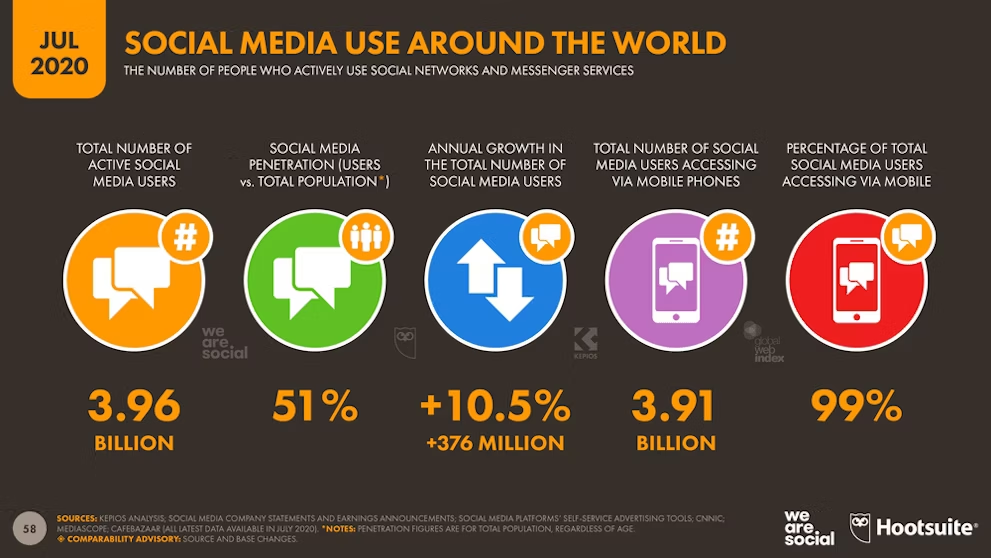
Building pros, in particular, use social media to discover new brands, purchase products and learn more about businesses they're interested in. Being active across social media channels enables distributors to increase awareness and drive traffic back to key assets like product pages.
The following are strategies that building materials distributors can use to maximize the return on investment of specific social networks.
2.8 billion people use Facebook every month. The platform offers a variety of options for building materials distributors to market and advertise their company. Firstly, you can set up custom ad campaigns to generate leads, awareness or sales.
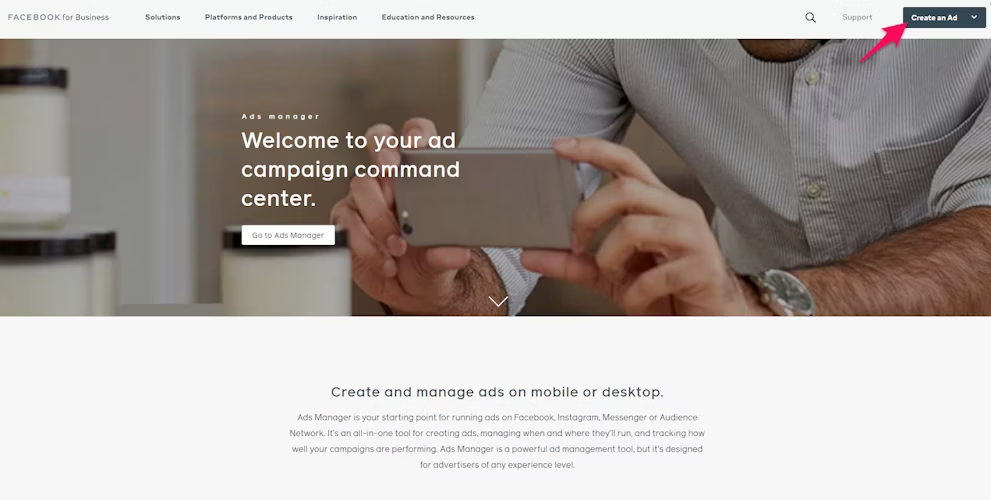
Click "Create an Ad" from the Facebook Ads Manager to begin.
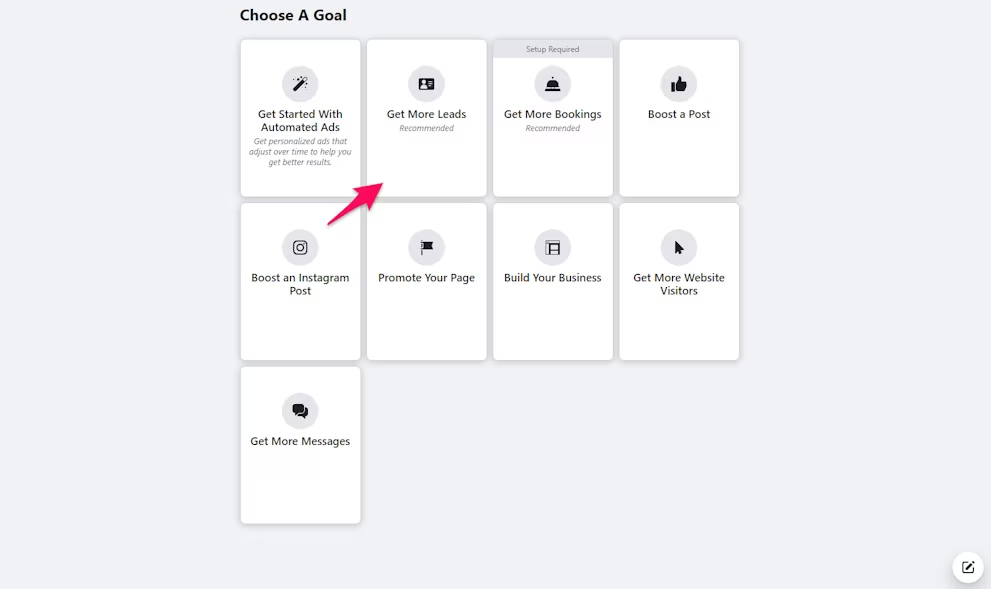
Choose an ad type like lead generation or getting more website visits.
Follow the rest of the setup wizard to choose targeting, budget and add creatives. We recommend installing a Facebook Pixel on your website, creating lookalike audiences and using retargeting for the highest return on ad spend (ROAS).
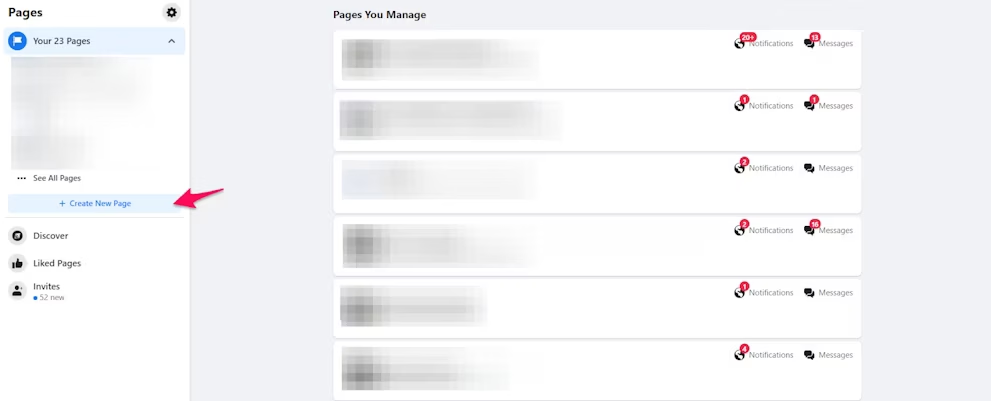
Building materials distributors should also create their own company page by visiting “Pages” from the left sidebar and clicking “Create New Page.”
Add your logo, business information and a cover photo during the setup steps. After it’s published, regularly post content and engage with followers. For example, this is what the Facebook page for Forna Cork Flooring looks like.
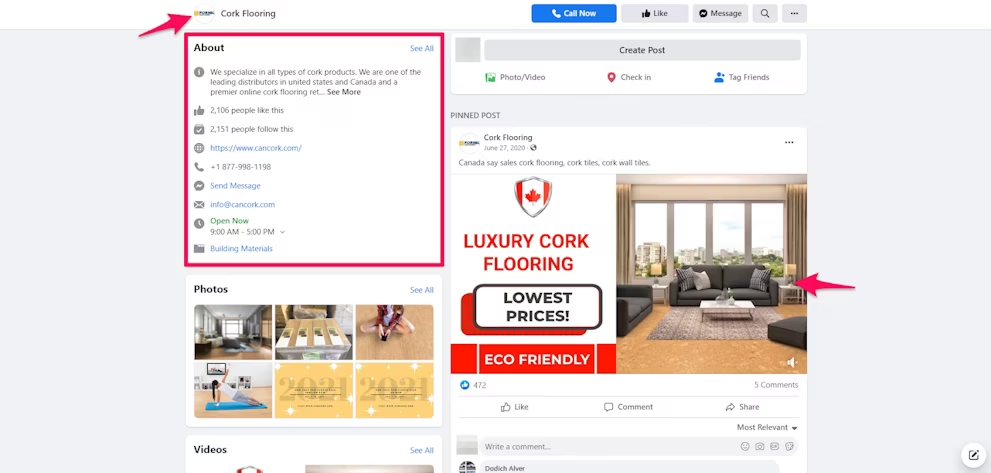
Note the detailed about section, “Call Now” call to action button, product photos and use of a promotional video.
Twitter has 300 million monthly active users and 186 million daily users. It's popular for short conversational posts and direct messaging, making it an excellent opportunity to interact with customers in real-time. Plus, tweets can be shared on other platforms like your Facebook page or LinkedIn profiles for cross-promotion.
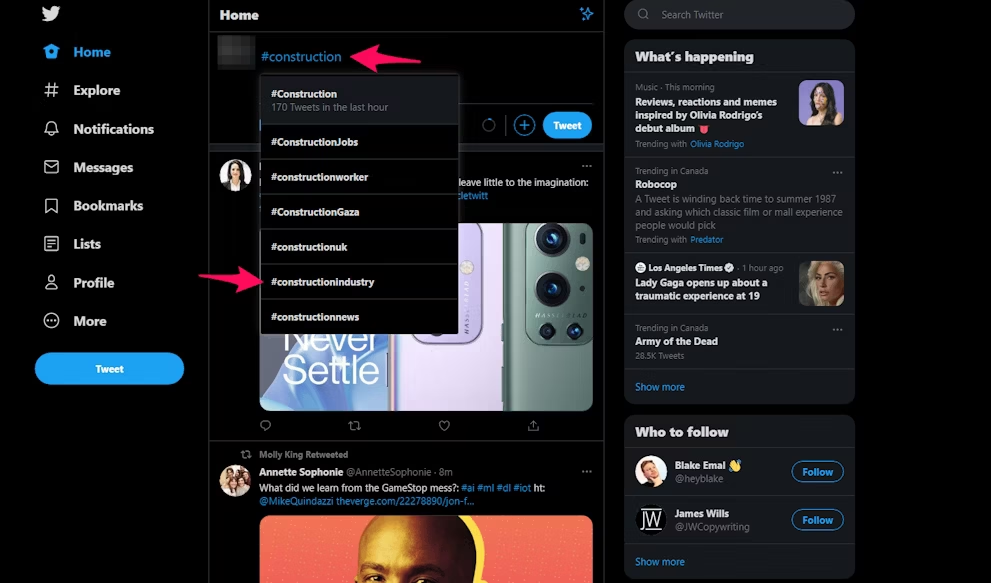
Building materials distributors should create an account and optimize it for industry keywords. These will help building professionals find your account. In particular, use hashtags to increase exposure in both your account biography and when you create tweets like in this example.

You can use Twitter’s built-in search engine to find hashtags. Begin by entering the pound symbol followed by a keyword. This will list hashtag ideas and how many times a chosen one has been searched for in the last hour.
According to Buffer, the most popular time to tweet is between noon and 1:00 p.m. Share content during these hours to generate the most engagement.
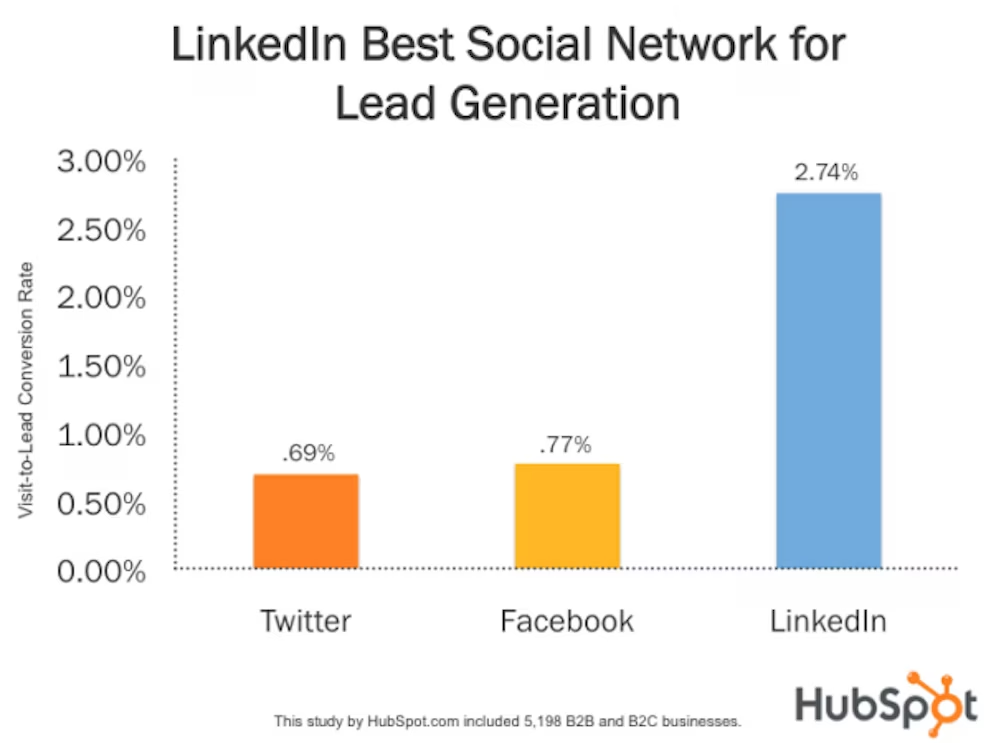
LinkedIn is an important part of any social media strategy but it can also be one of the most challenging to get right. You need to focus on building relationships with other professionals in your industry and growing a following by providing valuable content that will encourage people to connect with you. When used correctly, LinkedIn has a 2.74% visit-to-lead conversion rate.
On your personal profile, connect with other building materials manufacturers, distributors and professionals to expand your network. Then, publish thought leadership content. The organic algorithm rewards users that post on a regular basis by sharing it with more people. For example, look at this post from Venveo's CEO, Zach Williams.
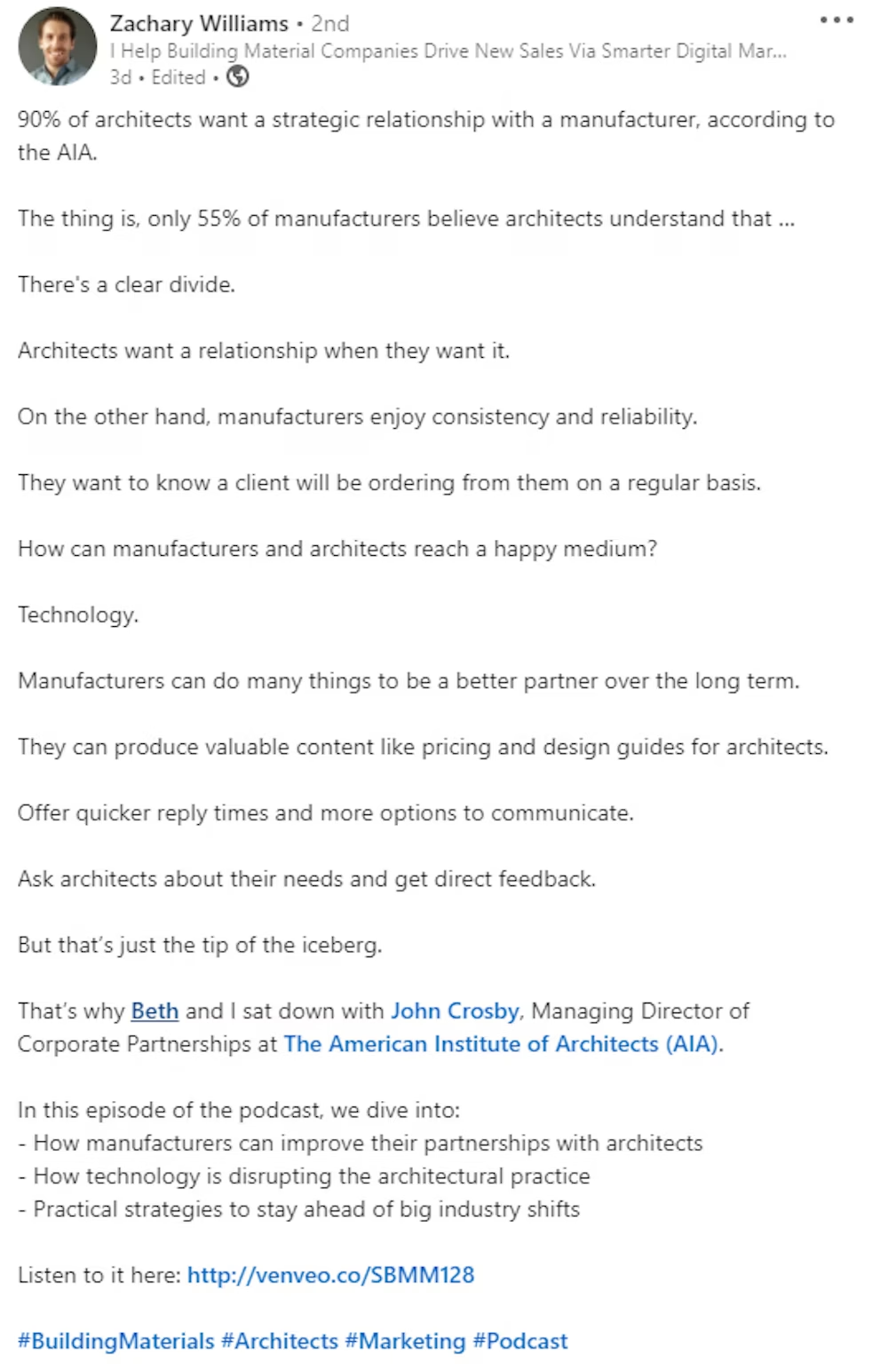
It provides his thoughts, provokes engagement and establishes him as an authority in the industry while sharing a valuable piece of content.
Similar to your personal profile, you can use a company page to update customers, promote products and drive engagement. Begin by creating a company page if you don’t have one by selecting “Work” and “Create a Company Page” from the LinkedIn dashboard.
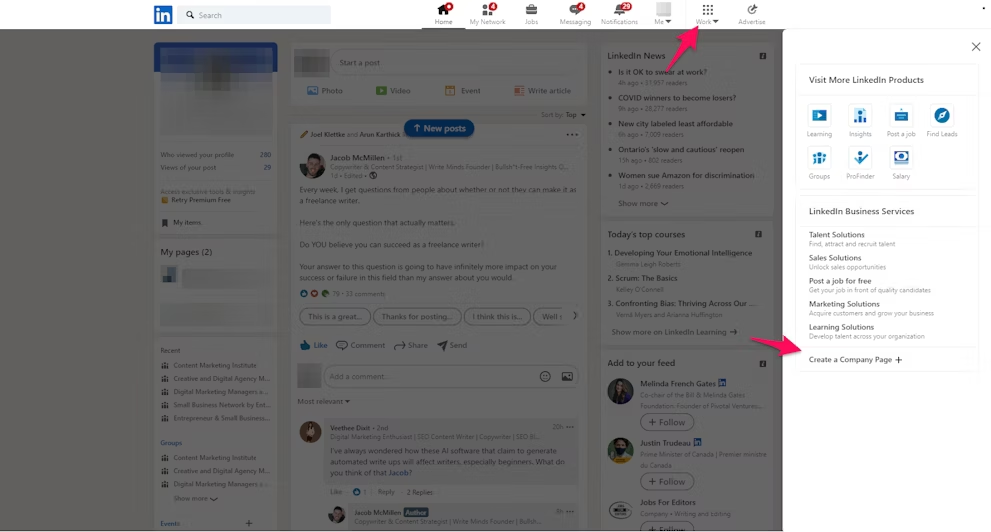
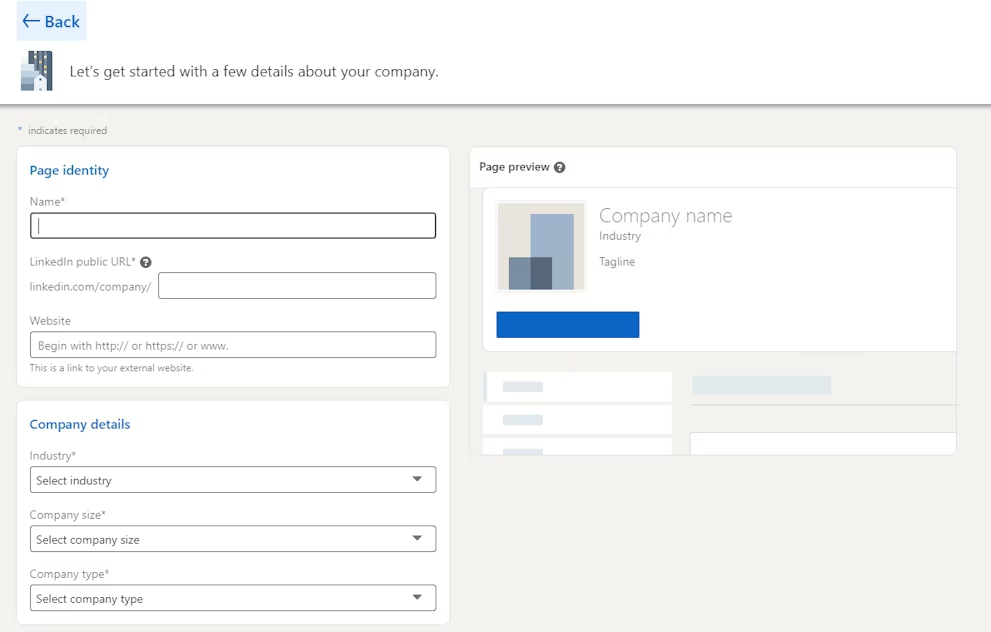
Select a company size and follow the setup guide to create the page. It will ask for basic information like name, a website URL, industry, company size, etc.
Once it is published, it will look like this.
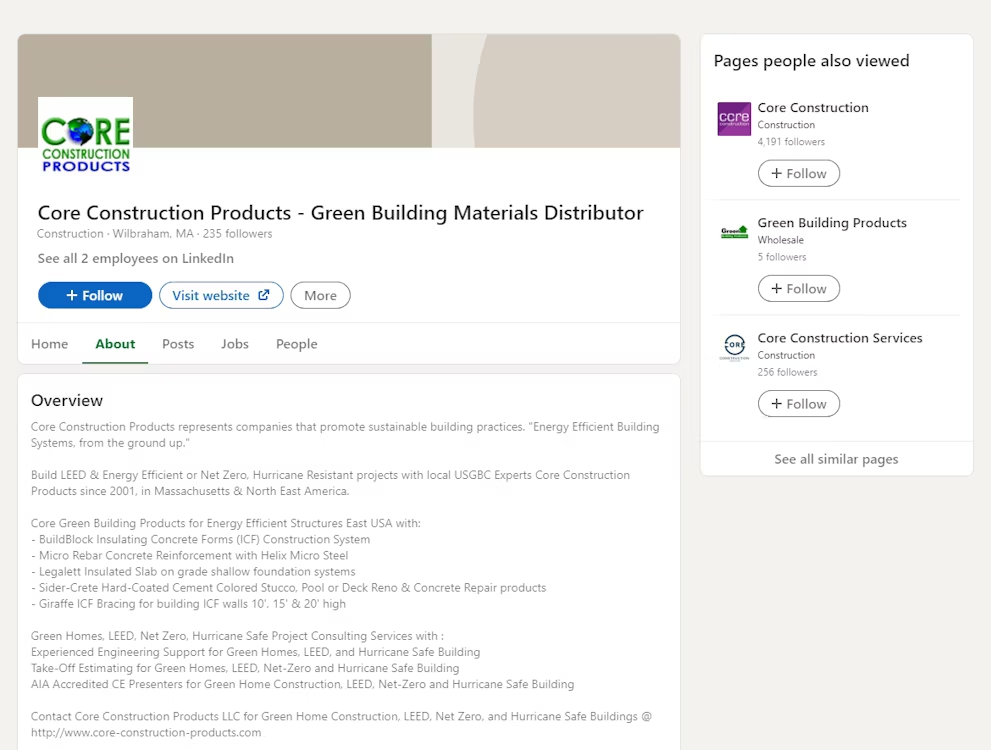
Building materials distributors can get the most out of their company page by including SEO keywords to improve visibility and explaining how your company helps builders in the Overview section. Use calls to action and go in-depth into your product offerings.
Pinterest is not just a social network. It's a search engine and tool for building materials distributors to drive sales and reach a wider audience. Pinterest works by creating boards for different topics and pinning posts to them. You can upload your own graphics or repin other user's content. Ideally, you should pin several times per day, mostly consisting of your own content.
The first way to take advantage of Pinterest is to create boards related to all of your product categories. Upload images in Pinterest's ideal dimensions of 1,000 x 1,500px. Include an SEO-rich title and description to improve your rankings in both Pinterest's search engine and external ones like Google. Add a link so users can click back to your website as well, similar to how Surplus Materials does in this example.
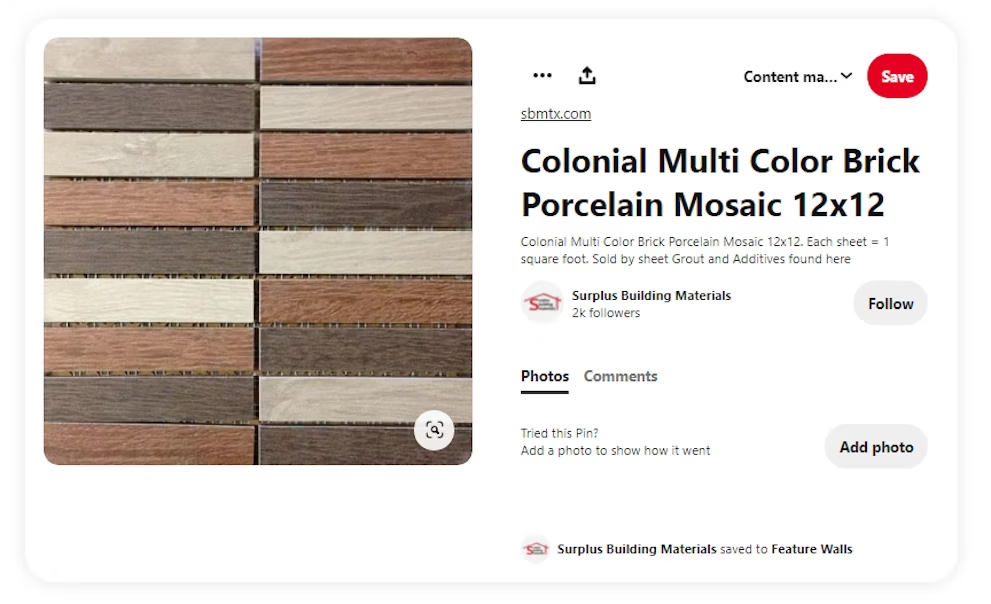
Next, upload content you create as separate pins. These can include blog posts, videos, podcast episodes or design inspiration. You can use a tool like Canva to create eye-catching graphics. Write sales copy that describes what the content is and why people should consume it. Create a separate board for this so prospects can navigate your Pinterest profile easier.
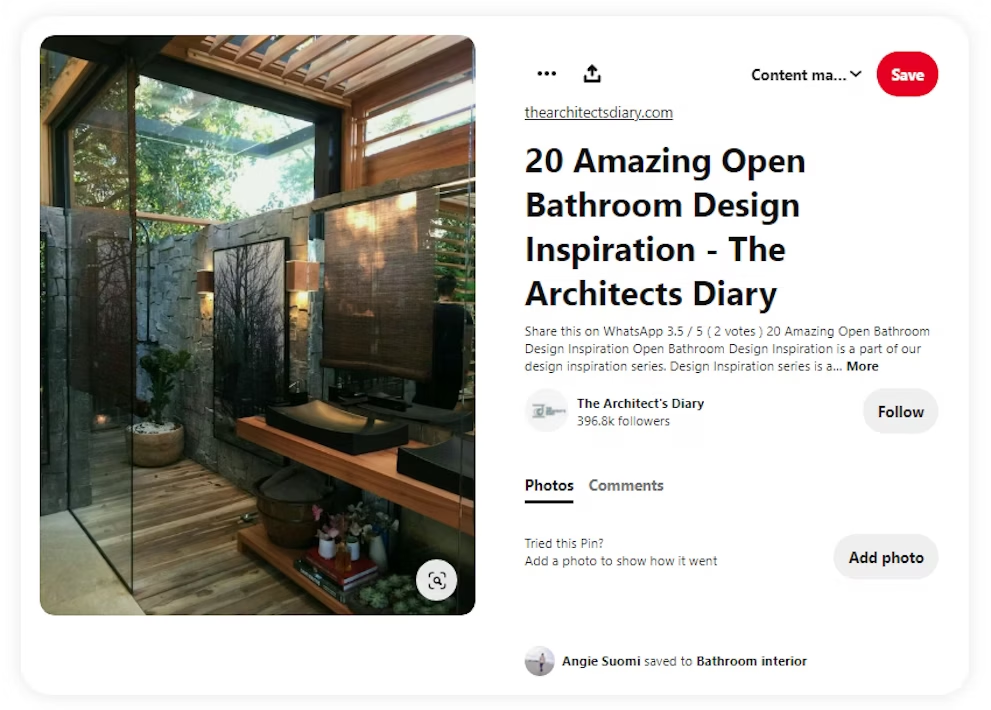
Over 1 billion people use Instagram. Similar to Pinterest, it is a visual focused channel. That means product photos and design inspiration like these generate the most engagement.

When posting content, use the right hashtags. These will expand your reach and help relevant audiences follow and engage with your company. Instagram allows for up to 30 hashtags per post. We suggest placing these in a separate comment by the post itself to keep the caption clutter-free.
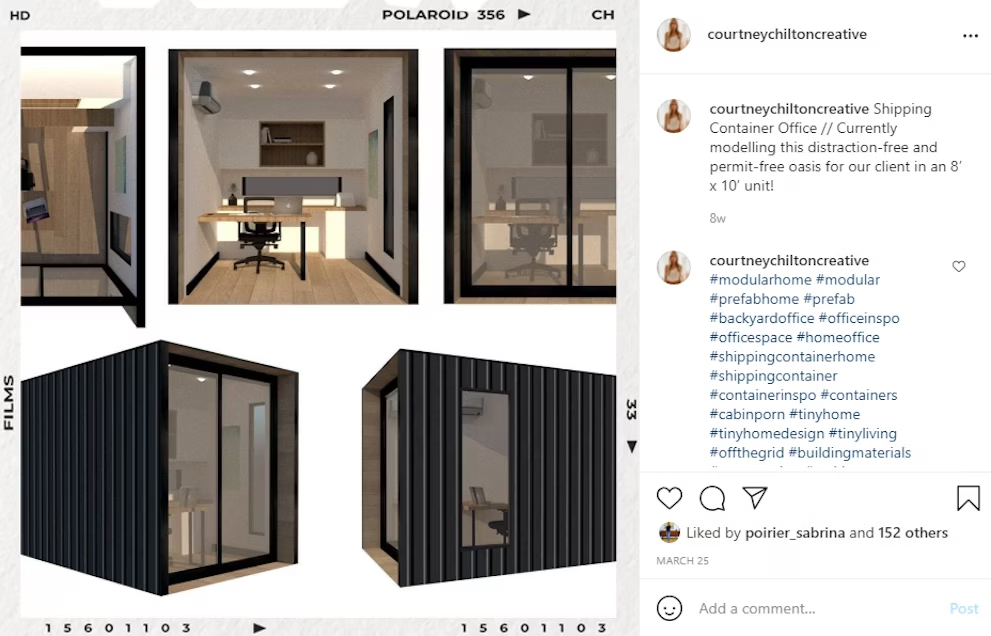
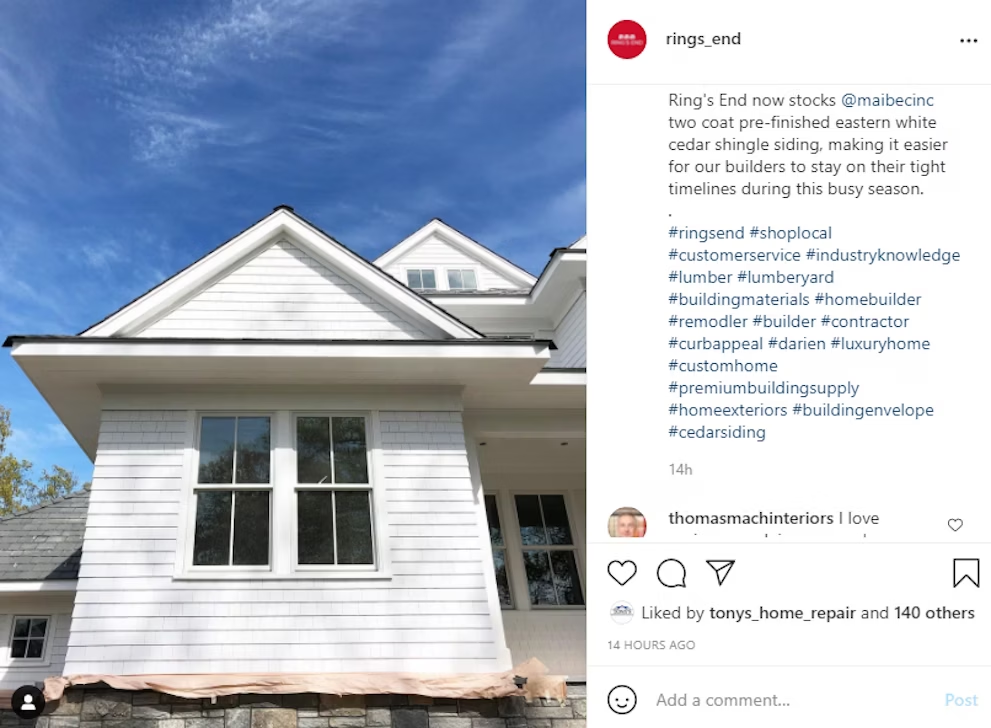
Alternatively, you can place up to three dots before the hashtags in a caption to separate the content as you can see in this post.
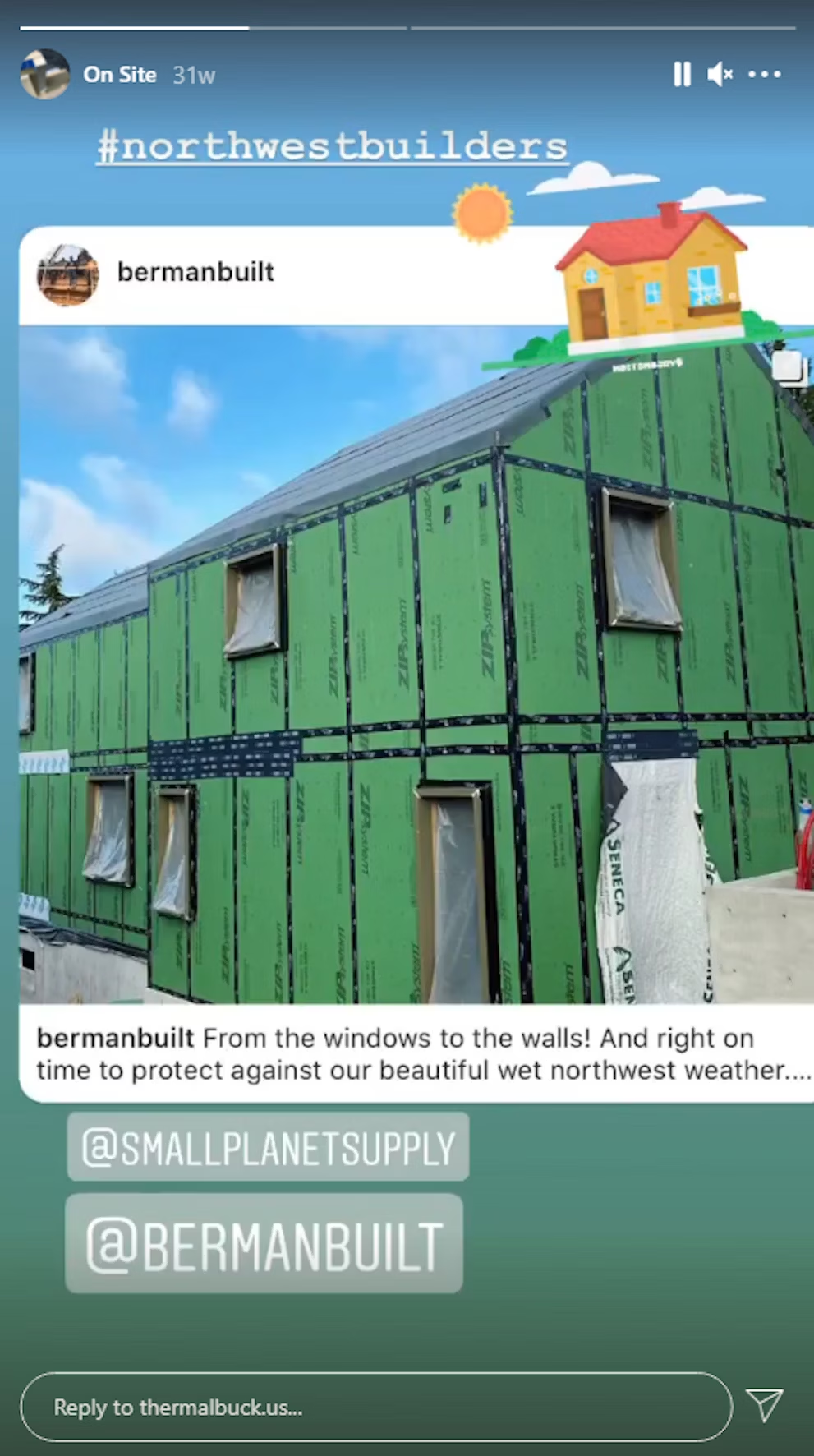
Distributors can also take advantage of Instagram stories to show behind the scenes of their business, ongoing projects or share important information with followers. Simply create a post as normal and choose the “Add to Your Story” option. Afterward, it will look like this.
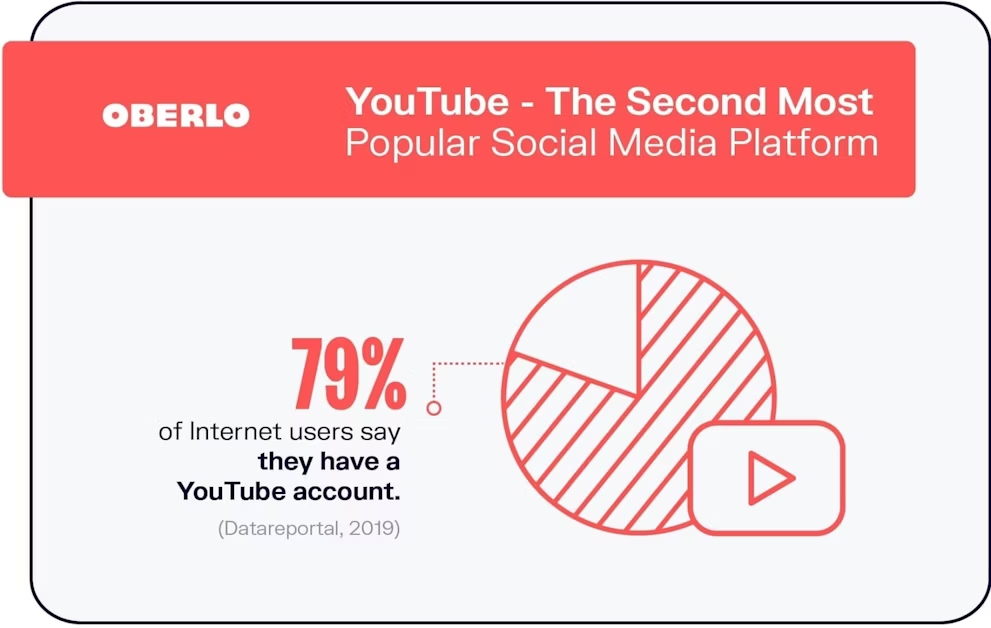
79% of internet users say they have a YouTube account. It has quickly become one of the most widely used social media channels to consume video content and engage with brands. As a building materials distributor, you can leverage YouTube to educate prospects, showcase products and provide valuable information.
Begin by creating a YouTube account. Upload your company's logo, a cover photo and edit your profile to include social links and a website URL. As you begin creating video content, you can organize them into playlists so subscribers have a simpler time finding what they need.
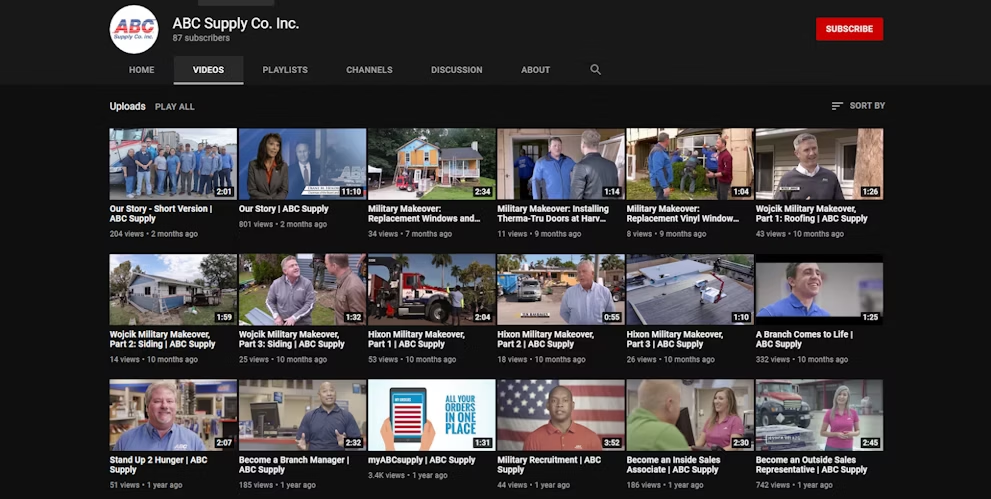
What type of content should you publish on YouTube? Firstly, use it as an opportunity to establish trust and credibility. Look how ABC Supply Co. publishes content about its history, projects and team.
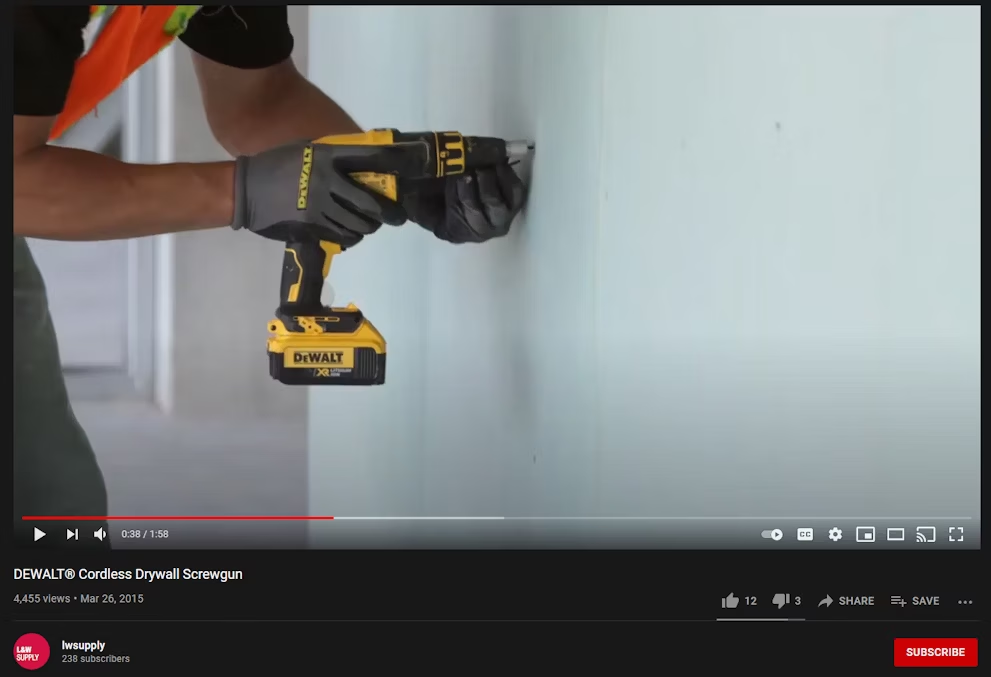
Building materials distributors can also review and showcase products with links to them in each video's description like Lwsupply does on its channel.
Next, let's discuss how you can determine if your social media marketing strategies as a distributor are generating the results you want.
After running social media marketing campaigns, you will naturally want to measure performance to ensure you are generating a good return on investment. How can you do this?
By establishing clear key performance indicator (KPIs) and goals including:
Sales: Create conversion goals on Google Analytics to track which social channels are generating sales and use this data to decide which channels should be used more often.
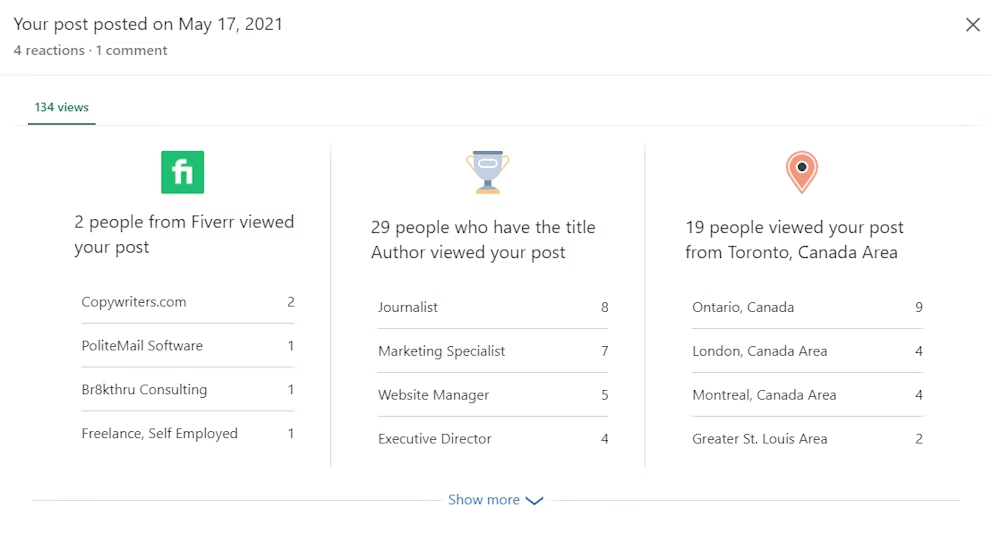
All social channels have their own built-in analytics that you can check on a regular basis. For illustration, click the insights bar on the bottom of a LinkedIn post to get more information about who is engaging with your company and how often.
Social media marketing is essential for building materials distributors in 2021 and beyond. While the building materials industry has been slow to adopt new trends and technology, social media is an easy win for companies.
Begin by ensuring that you have accounts created on all of the major platforms: Facebook, Twitter, Pinterest, LinkedIn and YouTube. Optimize each profile for industry keywords, contact information and your website URL.
While each platform's strategy slightly differs, focus on sharing valuable content, engaging with followers, and creating conversations. This will help you nurture relationships, build awareness and drive traffic back to your website to convert customers.
Do you want to make your online presence your best salesperson? Learn how Venveo can transform your digital marketing strategy and drive growth.