
Loading preview...

Start a project
Reach out to us for any inquiries or support.

Contact
We’re here to help you with all your needs.

Call Us
Get in touch with our team anytime.
How We Help
Why Venveo
Resources
Get weekly data — and insights.


Venveo is an award-winning digital marketing solutions provider. Since 2003.
©2026 Venveo

Zach Williams
Owner & Founder, Venveo

Today’s remote work landscape doesn’t leave a lot of room for the face-to-face communication that building materials distributors often rely on to effectively sell their products.
With just about everyone in the channel now working from home and heavily relying on Zoom and Video Conferencing to replace lunch & learns, the architect and design community is growing tired of virtual meetings and declining to participate in them, creating an even more difficult work/sales dynamic.
This additional lack of communication poses a new challenge for distributors as they consider how to build relationships with architects and designers. Now more than ever, you need to have the best building materials marketing, sales tools and techniques to ensure you’re staying in touch with the A&D community in a way that engages them during this transitional time.
Let’s look at 10 unique ways to build (and maintain) relationships with the A&D community.
Having open lines of communication between you and your client helps keep projects on time and on budget. Your ability to provide the A&D community with valuable and timely information can make or break customer relationships. When you build this type of trust, you are showing your commitment to developing a strong partnership that is focused on your client’s success.
The A&D community puts a lot of trust in their distributors (and materials) they choose, and a lot of the final decision-making comes down to how well the distributor can sell the benefits of the right product for a project. This is where communication is key.

This year has brought about several supply and demand challenges, causing the A&D community to look for different suppliers due to problems like lack of product availability and customer support. This is when you can do an excellent job of maintaining your customer base. After all, the best way to get new clients is by keeping your current ones happy.
Word-of-mouth goes a long way from a marketing perspective.
As a distributor, you want to do everything you can to win (and keep) your clients. One of the best ways to ensure your products remain front and center in the minds of your customers is to anticipate their needs and have solutions prepared before they ask for them.
In other words, a great way to build strong, lasting relationships with architects and designers is to think like them. This includes going beyond your direct relationship with them and seeing the full picture of their professional roles.
Always have a good process in place that ensures you are available to answer questions and keep up the enthusiasm for your products and the solutions they offer. Following are some things to consider when developing your own sales and service processes:
Becoming familiar with the overall professional landscape in which your clients perform daily will give you a competitive edge and help create a trusted partnership.
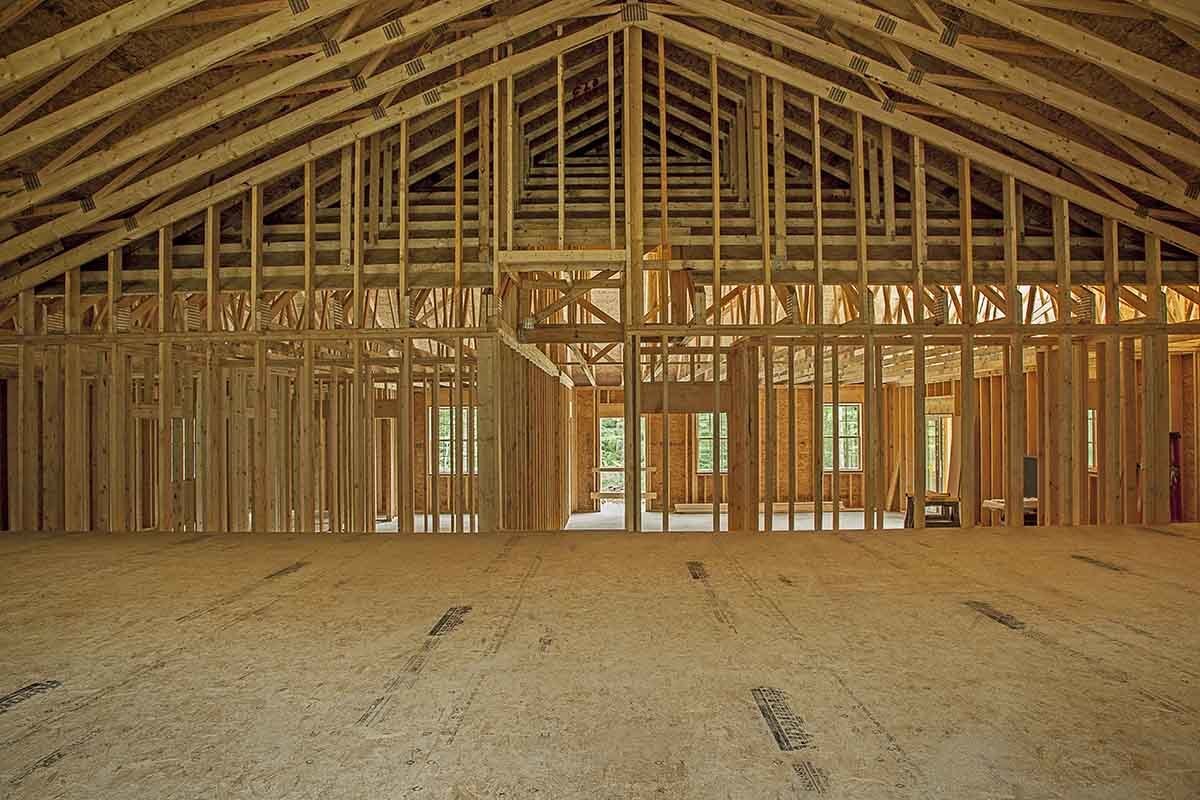
While it’s a great idea to know the roles architects and designers play in a project, it’s also wise to understand a little more about who they need to convince that your product is the right one for the job: Their other work relationships play a role in their decision to choose your product.
Whether you’re their go-to product or this is the first time they will spec products you carry for the job, the A&D community will need to know the best ways to defend their decision to the senior architects at their firm, their contractors and their clients. Here are a few things you need to know to help your architect sell your product:
Making an architect’s job easier — and making them look good in the process — is probably one of the best sales tools you can have at your disposal. When you have in-depth knowledge about your client’s previous work, you have special insight that not only helps you sell your product but also helps the architect or design team sell it to their clients.
Take the time to go through their past project data and research and learn as much as you can about how products have performed for them in the past, then use that data to show what your product can do for a particular project.
Continuing to learn about an architect and/or designer’s work will enable you to create an amazing reference library for future sales pitches. Your ability to discuss their past projects and how your product can fit into their present/future ones is a great way to stand out and show you understand their business.
An easy way to organize this information is to add it to their record in your CRM (see tip number two above).
There are several ways you can continue to network even if in-person and virtual meetings are limited. For example, as the number one content source for professionals, LinkedIn is a premier destination for professionals to educate themselves about your business and connect with you and your products.
Also, being a member of building materials associations and organizations, like NBMDA, can bring you many new contacts. Taking the time to develop those personal relationships gives you the opportunity to share ideas, learn from other’s experiences and gain the potential to share clients through recommendations.
To dig a little deeper into the previous tip, let’s focus on the specific relationship between the A&D community and contractors. Contractors serve an important role within this community.
This relationship is an especially important one that is built on a high level of professional trust. Contractors are responsible for helping architects and designers bring their visions to life. That is why it is worth considering developing strong relationships within contractor networks.
Getting involved in these networks help you gain the trust of respected contractors, which can go a long way. As a distributor, you play an important part in the construction process, and ensuring contractors are aware of your products and how they work gives you an additional avenue into the A&D community.
Following are a few quick ways you can start interacting with contractor networks:

When you have the resources available to help the A&D community understand and use your products, you have the potential to become their most trusted distributor who can give them the information they need to ensure a seamless design.
Evaluate your website and make sure you have the right materials to address anything the A&D community would need to know. Being a trusted resource for both products AND knowledge will go a long way.
The next best thing to meeting with your clients is directing them to your online resources. That’s why it’s so important to keep your online content up to date. While this may seem like an obvious task, it can be easy to forget while trying to figure out how to navigate through today’s ever-changing work landscape.

Building material manufacturers and distributors should always be flexible. It doesn’t matter how much planning and preparation is done, when it comes to building projects, changes are inevitable. That’s why you want to be as open and responsive as possible to show the A&D community you are always available to help them keep their work on track.
When you can show you’re prepared to be flexible from the beginning of a project, the architect will know they can depend on your support for all their future projects.