
Loading preview...

Reach out to us for any inquiries or support.

We’re here to help you with all your needs.

Get in touch with our team anytime.
How We Help
Why Venveo
Resources


Venveo is an award-winning digital marketing solutions provider. Since 2003.
©2026 Venveo

ZACH WILLIAMS
Owner & Founder, Venveo
Your success depends on more than having a great product. If your audience can’t find you online, you can’t convert them to a customer. And in our increasingly digital world, that means understanding how to use SEO to drive the right traffic to your website.
At its core, Search Engine Optimization (or SEO) is a set of tactics and strategies aimed at increasing your website's visibility within online search engines like Google, Bing and others.
Why focus on crafting a building materials SEO strategy? Just think about your own behavior as a consumer. When you want to buy a new lawnmower or find the best laptop to buy your kid as they head off to college, where do you start? You go to Google.
The same is true of the customers you want to target. A homeowner is updating their roof and wants to know about the best roofing materials. An architect is looking for information on fire-rated glass for their next commercial project. A contractor is looking for easy-to-install window treatments.
When someone types a question into Google that relates to your product or brand, you want to be high on the list of results. This is how you generate new leads, develop relationships and move customers through your sales funnel.
To understand SEO, it’s essential to understand a little bit about how search engines select results for users. Because Google is the undeniable giant in the field, we’re going to focus specifically on them.
Google offers a helpful guide to how its search engine works. To summarize the basics:
This is the core of Google’s appeal. When we search “chocolate ice cream near me,” we don’t want a list of results selling vanilla ice cream in the next state over. Google’s algorithm uses hundreds of data points — most importantly the searcher’s location and previous search behavior — to make sure users are finding the content they’re looking for (often called “user intent”).
While each search engine’s precise algorithm is proprietary, we know the core factors that impact your ranking:
We’ll continue looking at these factors throughout the rest of this guide, as they will be fundamental in shaping much of your SEO strategy.
Investing in your online presence is a great way to drive sales and grow your business. But it’s not enough to have a website and wait for customers to flock to you — understanding how search engines work can help you craft your whole online strategy.
From back-end technical details to your content marketing strategy, understanding SEO can focus your online strategy in a way that will generate new leads and sales opportunities.
And remember, while the internet can connect you globally, you can also use SEO to target specific markets locally. Whether you’re a larger building materials manufacturer looking to grow in a new market or a lumber dealer with a regional focus, you can use your understanding of SEO to target local regions and outperform competitors in specific regions and cities.
Local SEO is built around the recognition that customers are often looking for suppliers and services close to them. For example, someone might search for “home siding materials Dallas” or “hardwood flooring near me.”
If you’re pursuing a local SEO strategy, try creating a landing page or blogs with specific regional information to create specific local content (e.g., 5 things Rhode Island homeowners need to know when buying X).
One of the things that can hold people back from investing time and money in developing an SEO strategy for their building materials business is the belief that this is all too complicated. And while there may be some more complicated factors, implementing quick fixes and honing your existing marketing strategy is a good base for starting your SEO efforts and mastery.
Often, what can make SEO seem complicated is the wide range of new terms and technical-sounding jargon. Here’s a rundown of some of the most common terms.
Content SEO is exactly what it sounds like. It’s creating content for your website that features specific keyword and SEO strategies to help your website pages rank for relevant search terms.
Remember, when a customer clicks on a search result, they’re directed to a piece of content, whether it’s a sales page, a product directory, a video, a blog, etc.
Looking at content through an SEO lens, the type of content you have on your site will have a huge impact on your search ranking. Is the content you offer relevant based on what customers are searching for? Is the content long enough and well-structured enough for Google to rank it as higher-quality?
A great place to get started with content SEO is to understand keywords and how to use them. And never forget the value of competitor analysis: Focus on 2-3 top competitors in your industry and study how they’re approaching content and how their site ranks on Google compared to your own.
Technical SEO is not only about making your website as easy as possible for a search engine to crawl and add to its index, but also allowing users to have a better experience with your site and content. When a search engine crawls your site, it sees your code, not the website as a human would look at it. And a better user experience is now an important part of having a good search engine ranking.
Here are a few important checkpoints when looking at technical SEO and bettering user experience on your website:
As you can see, many of these fixes don’t require extensive coding or technical knowledge. With this being said, page speed may vary a lot from website to website and platform to platform. While some aspects of technical SEO, like page speed, may require talking to your website developer, don’t be deterred from making the fixes you can handle yourself.
On-page SEO refers to tactics used to ensure that search engines can identify a page’s topic and keywords and then accurately link it to relevant searches.
These tactics might include:
Off-page SEO is where you focus on building the authority piece of your SEO strategy. This may include:
Acquire backlinks from relevant websites: Finding ways to have other websites link back to your website. This also includes:
White Hat SEO refers to SEO strategies that comply with Google’s guidelines. It means you’re genuinely adopting strategies that will ultimately improve the user experience of your website. You can do this by focusing on creating relevant and useful content that is easy to navigate and taking legitimate steps to make sure search engines can correctly read and categorize your pages.
Black hat SEO is strategies that aim to manipulate a search engine’s algorithms in order to climb the rankings. This may include: keyword stuffing, cloaking (hiding keywords in your code, so that they’ll appear for search engine spiders but not visitors to your site), flooding your site with poor quality content to hit various target keywords and paying for backlinks, among others.
While it may seem tempting to take a shortcut to climb the search results page, it’s never a good idea to use black hat SEO. First and foremost, it’s unethical and could damage your reputation with your customers. Remember, the ultimate goal with SEO is to build relationships with visitors and convert them into customers. Creating low-quality content or using keyword stuffing to draw visitors to irrelevant pages is no way to build the kind of trust that will transform the casual visitor into a loyal customer.
What’s more, if you’re caught engaging in black hat tactics, you can be penalized by Google — penalties can include pushing your site down the results or even de-listing your page entirely.

In your business, you only want to make investments where you’ll see results. And while SEO isn’t free, its lower investment still comes with the potential for great ROI.
Whereas other forms of marketing may require big upfront investments with variable guarantees of success, SEO marketing can involve more efficient solutions (as well as the ability to adapt your strategy on the fly as you dig into your analytics). And the benefits you’ll get from investing in SEO now will continue to deliver over the long term as new visitors continue to keep finding your site.
As a building materials manufacturer, you know the importance of using the right tools for the job.
It’s no different when it comes to SEO. Tools exist to help you along every step of the way. You can find help with:
Backlinko.com has a comprehensive guide to SEO tools that you search for based on what you want to do and whether you want a free or premium tool.
With hundreds of tools available, you may want to start by testing a few free tools to see if they might meet your needs before investing in a premium package. Many of the biggest names in the business, including SEMRush and Moz, offer free versions and/or free trials of their premium features.
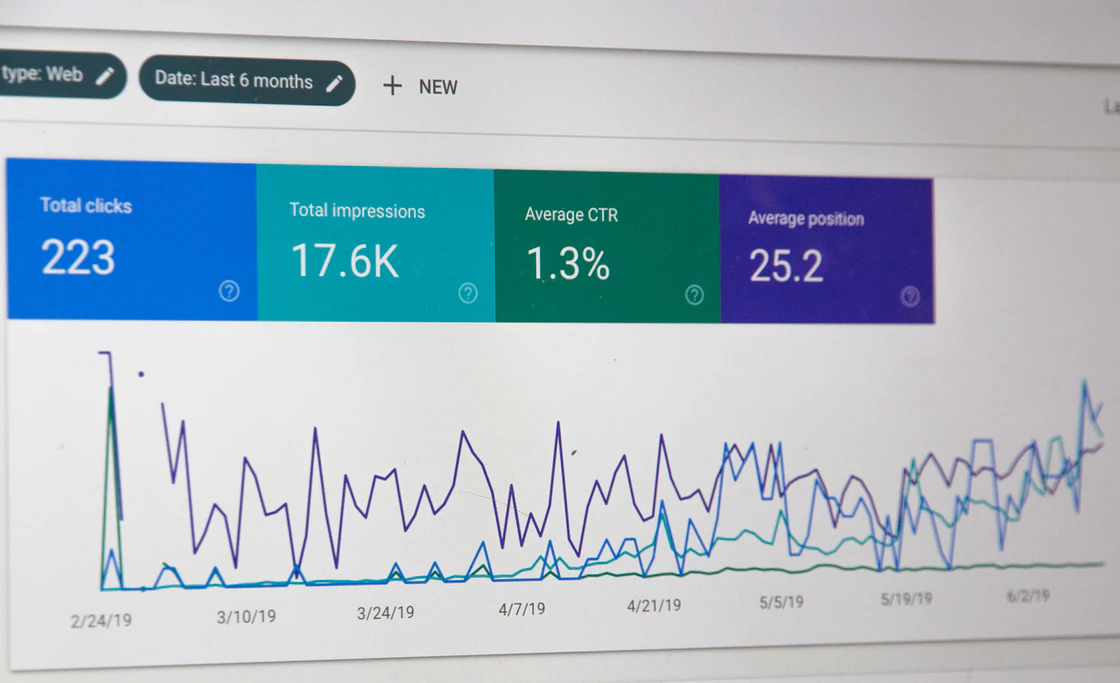
One tool you won’t want to miss is Google’s Search Console. This is a free tool that lets you monitor your presence on Google and troubleshoot any issues with your website that may impact your rankings. Essentially, Search Console enables you to understand how Google sees your site, and then make any changes to factors that may be harming your SEO performance. Useful information you can gather includes:
Identifying backlinks and more.
Google Search Console is a great place to begin if you’re just getting started with your SEO strategy, as it will give you a clear picture of your site’s current state. It also provides a baseline for you to compare your progress over time as you begin implementing your strategy.
If you know only one thing about SEO, it’s probably that keywords matter. Targeting your keywords is one of the quickest ways to begin improving your SEO.
Search engines use keywords to determine how closely your site matches the user’s intent when entering a search term. This means understanding the keywords your potential customers are searching for.
How do you know what your customers are searching for?
Your number one call when it comes to keyword research is your sales team. Ask them what questions they encounter from leads, what questions they get back from existing customers and take extensive notes. The chances are if your customers are asking your sales reps these questions, people are also asking Google.
You can also harness online resources such as industry forums, websites like Quora, product reviews, customer comments, etc. to look at the phrases customers are using.
And remember, you can also identify how people are already finding you using Google Search Console or use premium SEO tools to support your keyword research.
In addition, there are a lot of specific tools for keyword research as those are the primary starting point for all of the SEOs. While these tools usually have a cost associated with them, you can save valuable time using a high-quality tool as well, which can often be worth the price tag.
Once you understand the keywords that will drive more traffic to your site, it’s time to start building a content strategy around these keywords.
We’ve found that three types of content are especially successful as part of a building materials SEO strategy.
People use search engines to answer questions. “What is the best house siding for a dry climate?” “How to install cable railings.” “How to solve damp in the basement?”
Creating content that addresses common questions related to your products is a great way to target these keywords. We’ve found that how-to guides are particularly successful because they target long-tail keywords (up to two words is considered a short tail keyword, while 3+ words is a long-tail keyword). Long-tail keywords tend to be less competitive and also connect you to a targeted audience that is more likely to move along your sales funnel.
These posts draw people in with information and inspiration for their projects.
Lists are a really quick and easy way to rank. If you have a product catalog and some great photos of your product you can likely pull one of these together in no time.
For example: “29 Office Lighting Examples;” “5 Best Acoustic Soundproofing Options for Every Office;” “10 Top Trends in Interior Design for 2020.” These lists work well because they supply user intent, and they offer you a chance to highlight your products. Nichiha generates substantial traffic with an inspiration-focused blog post titled “Modern Custom Home Siding Trends.”
Guides can be trickier to put together, as when they’re done right they take time. But if you can pull together a high-quality, authoritative resource these can be an evergreen marketing property that will establish your authority and build trust with your visitors.
Buyers want to know they’re making the right decision. Granite vs. Quartz. Wood vs. metal fencing. Your brand vs. your biggest competitor.
Comparison content is a great way to highlight your product’s strengths … but also to build trust. If you write an honest, objective and authoritative piece highlighting when your product is the best fit AND when it isn’t, customers will respect that you’re not trying to make a sale at all costs and will be more likely to rely on your expertise and advice.
While the previously mentioned content is important, don’t neglect the rest of your website. In almost all cases, the home page and the product pages are the most important content on the site. They are considered to be the "primary" website content and the "content" as we see it is considered supplementary.
Plus, Google puts a premium on websites that deliver a good user experience. This means you should carefully think about how every page works to serve your customers.
Areas to pay attention to include:
You should be thinking about the on-page optimization for every page of your site. Decide what keywords you are targeting for each page. If you sell clay roof tiles, perhaps your keywords for your homepage include clay roof tiles, clay roofing, premium roof tiles, quality roofing.
From here, you want to make sure you strategically include your keywords throughout the page. This includes in the page title, headers, subheaders, paragraphs, image alt tags, metadata, URL and product descriptions. On product pages, you may want to emphasize specific product features in your keywords (e.g. durable, long-lasting) — in which case these will be the words that you’ll work in throughout the page.
Anderson Windows and Doors utilizes both content and keyword strategy to rank first for the keyword “black windows.” Anderson features the keyword throughout their headings and body content. Anderson’s page has content addressing both the “modern” trend and “advantages” of black windows. A major competitor, Pella, is also attempting to rank first for “black windows” but features less content and related keywords. The number of words within the content isn’t making the difference here between Anderson and Pella, but the other authority metrics.
While content SEO may be one of the largest planks of your SEO strategy, don’t forget to pay attention to the technical details that can set you apart.
In an analysis of how Delta and Kohler rank in terms of SEO, we found that Delta outperformed Kohler despite the wider brand recognition Kohler enjoys. How did they do it? By implementing seemingly small SEO changes, such as structuring their page titles “Page Title: Brand Name” (e.g. “Kitchen Faucets | Delta”). This makes it easier for Google to know what the page is about, and therefore it ranks higher. Other technical factors included a much faster page load time and shorter URLs.
A major technical factor to pay attention to is how well your website works on mobile. The majority of searches now come through mobile devices, so it is critical you’re not losing these visitors due to a lack of mobile responsiveness. You can check how your website shapes up using Google’s Mobile-Friendly Tool.
Technical SEO may seem like nitpicking but in a competitive market, every advantage can be the difference between a top search engine ranking (earning you sales) versus languishing near the bottom of the first page (or worse).

If you’re ready to reap the benefits of SEO here’s a helpful checklist to help you begin.
1. Identify the current state of your search engine rankings and website traffic using tools such as Google Search Console and Google Analytics.
2. Conduct a technical audit of your site for factors that may be limiting your performance (e.g. long URLs, long load time, broken links, etc.).
3. Conduct an on-page SEO audit. Are you using keywords effectively and strategically?
4. Develop your SEO strategy:
5. Explore SEO tools to support your goals.
6. Integrate SEO into your content strategy.
7. Acquiring relevant and high authority backlinks
8. Fix duplicate content and clean up your web pages.
9. Future proof your business by ensuring your site works well on mobile as well as web.
10. Gather key performance indicators, track successes, and adjust your strategy over time.
For more inspiration and ideas on how to evolve your building materials marketing strategy, check out our free report on marketing to architects or explore our blog for more marketing tips and advice.
And be sure to listen to our podcast for insightful and informative episodes weekly from leaders in the industry.