
Loading preview...

Start a project
Reach out to us for any inquiries or support.

Contact
We’re here to help you with all your needs.

Call Us
Get in touch with our team anytime.
How We Help
Why Venveo
Resources
Get weekly data — and insights.


Venveo is an award-winning digital marketing solutions provider. Since 2003.
©2026 Venveo

Navigating the world of marketing, especially when promoting a new construction product, is no small task. The building materials industry is ripe with unique challenges but also offers distinctive opportunities. The crux of success? Strategic planning.
This article is designed to be a blueprint packed with actionable strategies, real-life case studies and effective insights to market your new construction product to outstanding success.
Navigating the world of construction product marketing is akin to walking a tightrope due to its specialized nature. The construction industry, by its very nature, has a niche market — primarily pros, but occasionally homeowners and DIYers. Plus, most building material manufacturers target specific groups of professionals within these categories, such as home builders, contractors, specialty installers, commercial general contractors and more.
This specific target audience poses the challenge of limited scalability and necessitates precise messaging. It's not like selling a smartphone or a pair of shoes — you're catering to professionals who have exacting standards and specific needs. So, how does one overcome this intricate challenge?
The answer lies in leveraging targeted digital marketing. By utilizing platforms that these professionals frequent and crafting content tailored to their interests and needs, you can make a significant impact. Beyond digital outreach, forming partnerships with construction firms can prove beneficial. This allows direct marketing efforts, ensuring your product reaches those who would be most interested. By melding digital precision with direct outreach, the obstacle of a niche market can be transformed into an opportunity.
When diving into the realm of construction products, one immediately confronts a labyrinth of regulatory standards and protocols. The challenge isn't just about crafting a top-notch product — it's ensuring that this product aligns with the myriad building codes, certifications and regional regulations.
These standards are in place to ensure safety and reliability, but they can often feel like a daunting maze for marketers. A misstep here, such as overlooking a specific certification, can lead to significant setbacks, financial penalties or even product recalls. So, how does one chart a course through this regulatory jungle? The key is anticipation and preparation.
Engage with legal experts and industry consultants starting at the product development phase. Their insights can guide product modifications to ensure compliance. Additionally, obtaining all requisite certifications before the product launch can be a significant advantage. Not only does this preclude potential legal complications, but it also becomes a potent marketing point, assuring potential customers of your product's adherence to the highest standards.
With foresight and proactive measures, regulatory hurdles can be turned from potential roadblocks into stepping stones for building trust and credibility.
The construction product landscape is teeming with competitors, each vying for the attention of a limited audience. While competition fosters innovation, it also means that every product release is met with a volley of similar offerings, making differentiation a strenuous task. Established industry giants with their deep pockets and brand loyalty, further intensify the competitive fray.
For newcomers, this crowded marketplace can feel like shouting in a room where everyone else is shouting louder. So, what's the strategy to rise above this cacophony? The answer lies not in being better but in being different.
To overcome this challenge, brands must zero in on their Unique Selling Proposition (USP). Perhaps your product boasts a technology that no other competitor offers, or maybe it's the post-sale services that set you apart. Once identified, this USP should be the cornerstone of your marketing narrative.
Differentiate yourself through technology, service or other value propositions that aren't just about the product itself. For instance, if everyone sells durability, perhaps your angle is sustainability or ease of installation. By embracing what makes you distinct and communicating that effectively, you can turn the challenge of high competition into a narrative of standout innovation.
Avoiding the pitfall of insufficient market research is crucial for ensuring that your construction product has a well-defined audience and a clear value proposition.
How to Avoid:
Attend Industry Seminars and Trade Shows: These events are networking goldmines and offer a pulse on the latest industry demands, innovations and emerging trends.

In today's digital-driven age, overlooking online presence is akin to shutting your product off from a vast potential audience.
How to Avoid:
Stay Updated with Digital Trends: The digital landscape is ever-evolving. Regularly update your digital strategies, keeping an eye on emerging trends and tools.
Setting the right price for your construction product can mean the difference between success and boxes being neglected on the shelf.
How to Avoid:
Communicate Value, Not Just Price: In your marketing, emphasize the unique value and benefits of your product. Customers are often willing to pay more for perceived higher value or quality.
While it's challenging to attribute the entire success of a product to its launch strategy alone, it is evident that several construction products or companies leveraged effective market entry tactics that played a significant role in their early adoption and eventual industry impact.

Where They Started: James Hardie identified a gap in the market for durable, weather-resistant and aesthetically appealing siding. Traditional wood siding is prone to rot and damage while vinyl siding lacks the desired aesthetics for many homeowners.
Action Steps Used:
Outcome: James Hardie became a leading name in the siding industry with their fiber cement siding being widely adopted in various countries.
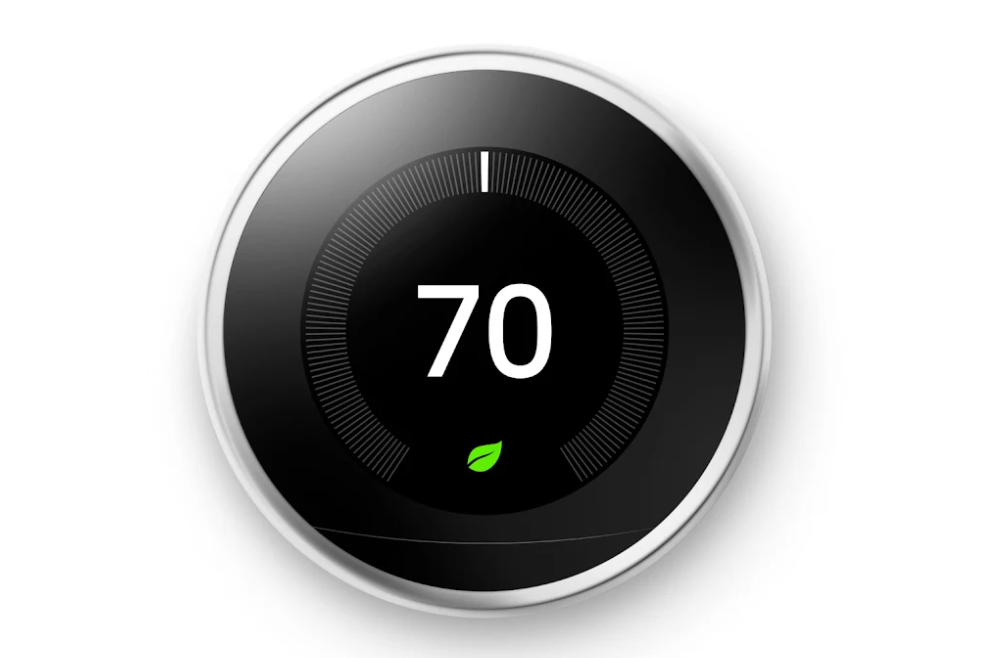
Where They Started: Before Nest's entry, traditional thermostats were often unappealing and lacked smart integration. Nest saw an opportunity to combine energy-saving technology with sleek design.
Action Steps Used:
Outcome: Nest rapidly gained a significant market share in the thermostat industry and was later acquired by Google for over $3 billion.

Where They Started: While skylights weren't new, VELUX identified a need for higher quality, more durable and energy-efficient skylights that could be easily integrated into various architectural designs.
Action Steps Used:
Outcome: VELUX became synonymous with skylights in many regions, holding a dominant position in the market.
In each of these examples, companies not only identified gaps in the market but also strategically positioned their products and effectively executed their launch plans, leading to significant market success.
Consolidate and Validate: After gathering data, craft detailed customer personas to inform your marketing strategies. Validate your findings with focus groups or pilot testing to ensure your strategies are on the right track.
Gather Feedback and Refine: Once you've initiated your branding efforts, seek feedback from potential customers or industry stakeholders. Understand how they perceive your brand and make necessary refinements to enhance clarity and appeal.
Evaluate and Adjust Post-Launch: Once your product is in the market, closely monitor its performance. Are customers responding as anticipated? Is the product available where and when it's needed? Gather feedback, analyze sales data and be ready to pivot your strategy if required.
Iterate Based on Data and Feedback: Don't be static. Marketing is an evolving discipline, especially in dynamic sectors like construction. If certain tactics aren't delivering the expected results, be prepared to adjust your strategy. Regularly revisit your KPIs, analyze feedback and make necessary tweaks to ensure continued success.
Successfully marketing a new construction product is a blend of art and science. It requires more than just knowing your product inside out. The intricacies of the construction market require a thoughtful, informed approach that uses meticulous planning, a robust understanding of your audience and a dash of creativity.
With the right approach and tools, you can not only introduce your product to the market but also ensure it stands tall among competitors and makes a monumental impact on your audience. Remember, a well-planned marketing strategy isn't just an asset — it's a requirement for success.
If you’re struggling to put together a strategy to market your upcoming construction product, it might be time to get help from the experts. Venveo has a team of experts and a proven process that can ensure your business finds and connects with your audience online and compels them to take action. Contact us to learn more today.